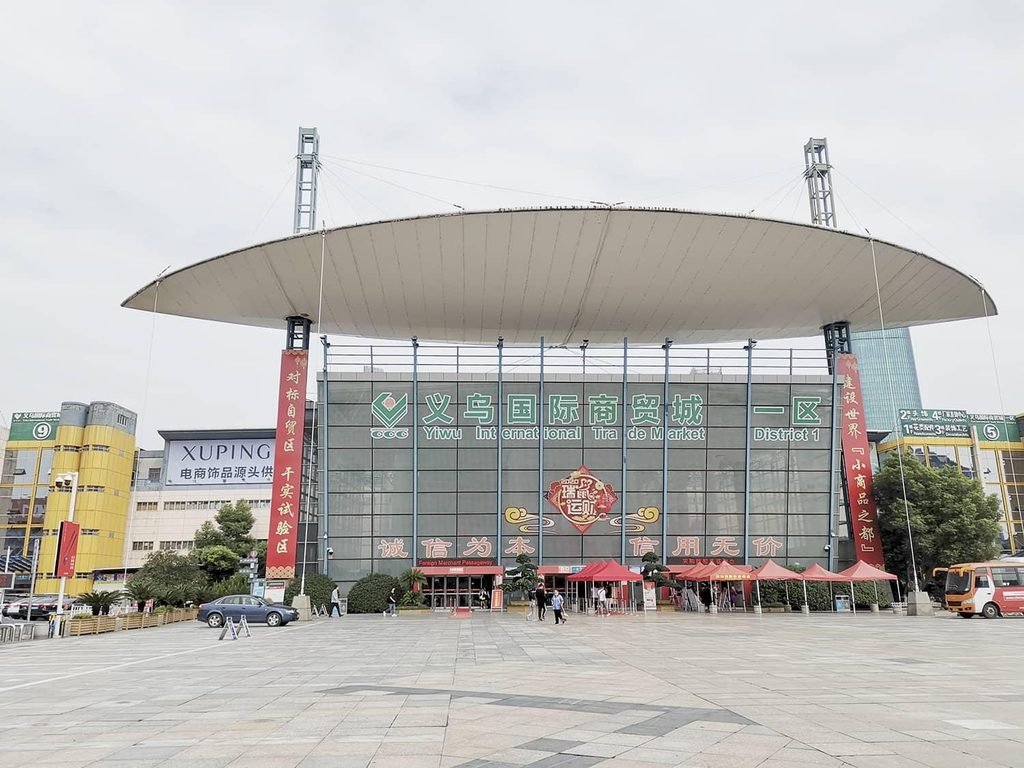
Located in Yiwu City, within the Zhejiang Province along China’s eastern coast, this hub has garnered international attention as one of the world’s premier wholesale trading centers. Every day, thousands of businesspeople, importers, exporters, and trade representatives from countries across the globe engage in commercial activities here.
Recently, a group of journalists from Sri Lanka had the opportunity to visit and study this wholesale trading center in Zhejiang Province. Organized under the auspices of the China Cultural Center in Sri Lanka, this visit served to further broaden the knowledge of us journalists. However, the defining feature of the Yiwu trading hub is that a vast array of goods—ranging from small consumer items, household appliances, clothing, toys, and decorative ornaments to stationery and products for various industries—can all be found within a single commercial complex.
One of the World’s Largest Markets for Small Commodities
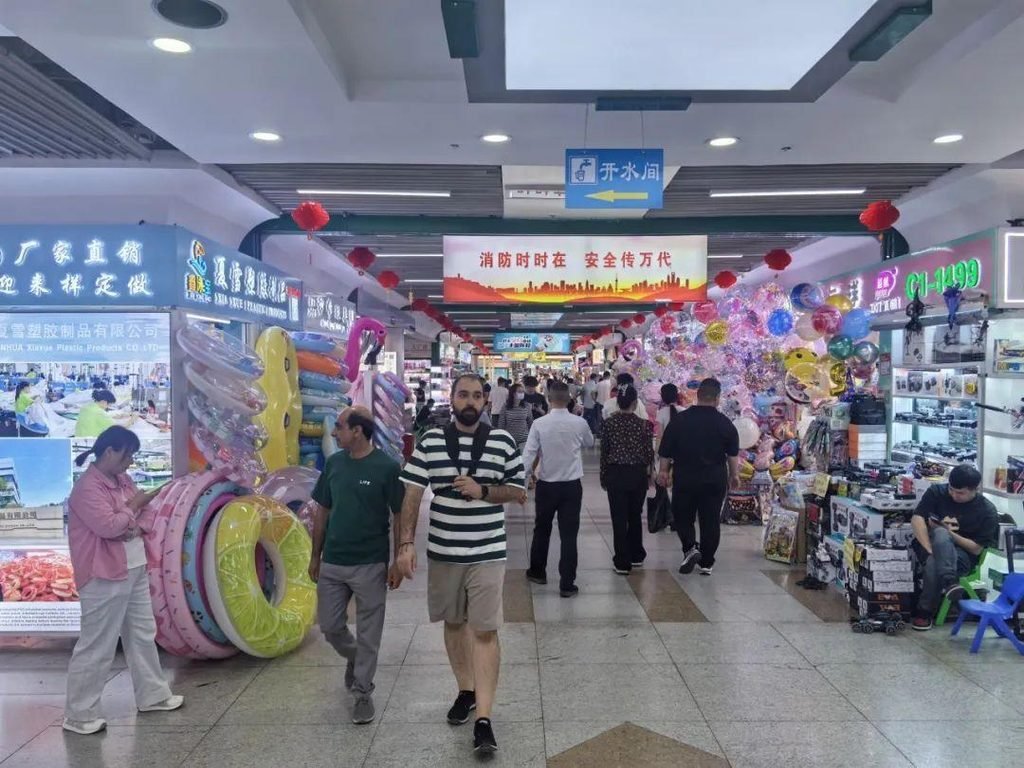
Yiwu International Trade City, also known as Futian Market, is a world-renowned trading hub, particularly for the wholesale purchase of small consumer goods.
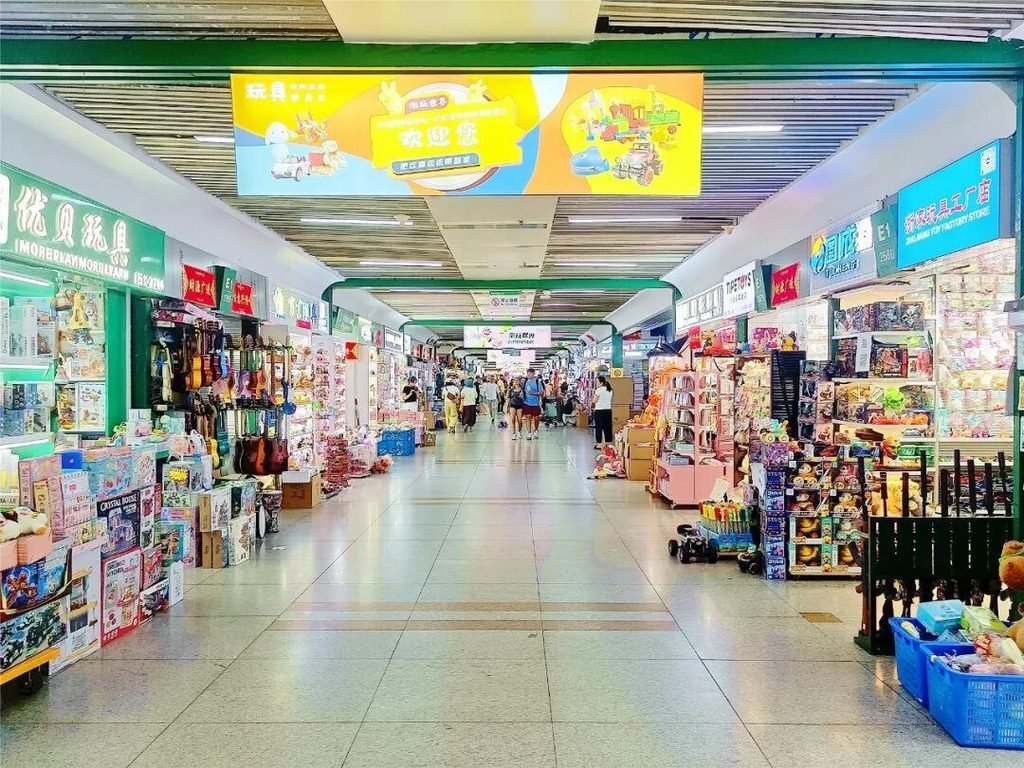
The trading operations here are organized into distinct sectors. Consequently, buyers can source a wide variety of products, including toys, jewelry, decorative items, kitchenware, sporting goods, electrical accessories, apparel, and festive decorations.
Since there are numerous suppliers for the same type of product, business owners have the opportunity to compare prices, quality, and product variety before making their purchases. A Trade Network Connecting Many Countries Across the Globe
One of the most significant features of the Yiwu market is that it is not limited solely to the domestic Chinese market. Traders from various regions of the world—including Asia, Africa, Europe, the Middle East, and Latin America—come here to connect with Chinese manufacturers and suppliers.
Through these connections, even small and medium-sized enterprises (SMEs) gain the opportunity to enter the international market. The Yiwu market has become a vital resource—particularly for business owners who otherwise have limited capacity to engage directly with large manufacturing companies.
Market Scale and Product Diversity
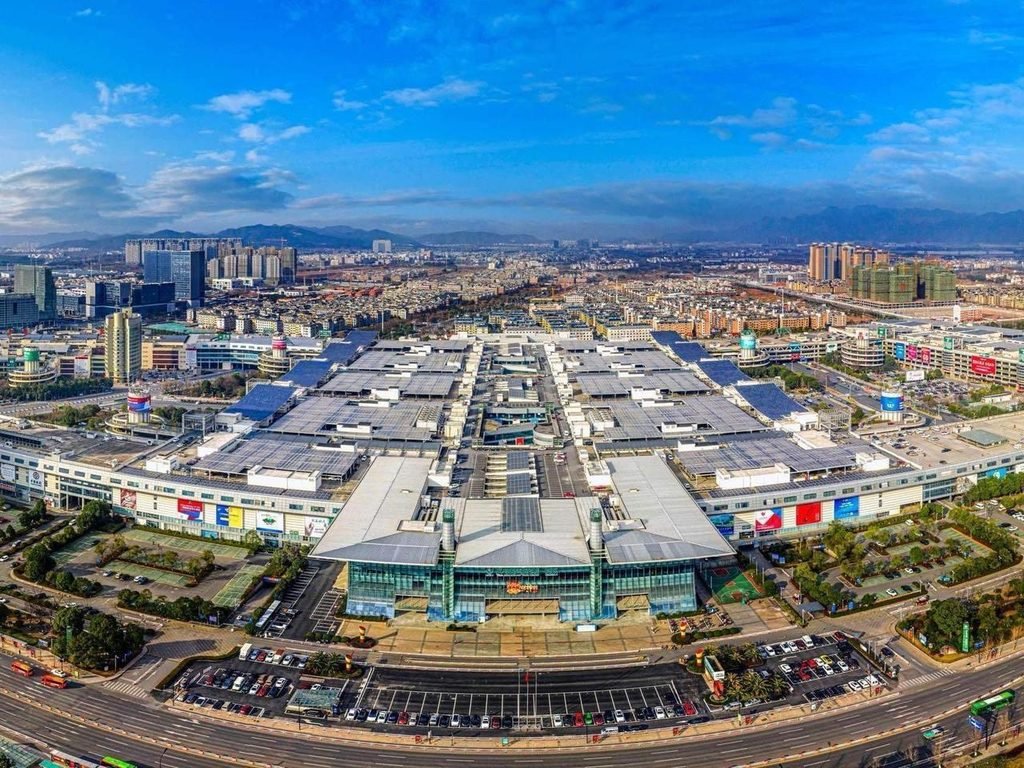
According to data from 2026, my research indicates that the Yiwu International Trade Center houses nearly 80,000 trading stalls, offering over 2.1 million different types of products. This market is integrated into an international network that supplies goods to 233 countries and regions.
The sheer number of trading stalls alone is not enough to fully grasp the scale of this market. A key feature is that its economic strength is underpinned by an entire supply network—encompassing manufacturing factories, wholesalers, logistics companies, warehousing facilities, customs services, and export firms. History of the Yiwu Trade Center
The development of modern wholesale trade in Yiwu City began in 1982. Built upon the activities of small-scale traders and local manufacturers, this marketplace has gradually transformed into a major international trade hub.
Initially confined to domestic trade, it subsequently expanded its international commercial ties, attracting businesspeople from various countries around the world. A significant milestone in its development occurred in 2011, when, with the approval of the State Council of China, Yiwu City was designated as a pilot zone for comprehensive international trade reform.
The Importance of Transportation and Logistics Networks
Transportation and logistics facilities contribute significantly to the success of the Yiwu Trade Center. Through rail, road, and air transport services, goods are dispatched to various markets across the globe. In particular, the China-Europe freight train service—operating from Yiwu to Europe—serves as a vital conduit for strengthening international trade relations. Furthermore, its integration with port and air freight facilities has enabled more efficient import and export operations.
Digital Technology and New Trading Methods
Driven by modern technological advancements, the Yiwu market has evolved beyond traditional wholesale trade to embrace digital commerce. Key aspects of this shift include showcasing products online, conducting sales via live streaming, engaging directly with overseas buyers, and utilizing e-commerce.
This has expanded opportunities for even those foreign businesspeople unable to physically visit the market to engage in transactions with Chinese suppliers. Furthermore, the ‘Market Procurement Trade’ export mechanism has facilitated international transactions for small and medium-sized traders.
The Significance of the Yiwu Trade Center for Sri Lanka
For a nation like Sri Lanka—which relies heavily on import and export trade—the Yiwu International Trade Center holds particular economic significance. It serves as a vital sourcing hub, especially for Sri Lanka’s small and medium-sized enterprises (SMEs), enabling them to purchase items such as household goods, stationery, apparel, toys, electrical components, and various other consumer products on a wholesale basis.
Additionally, the Yiwu market provides opportunities to establish direct relationships with Chinese manufacturers, compare product pricing, and identify goods well-suited for the Sri Lankan market. However, when purchasing goods, it is important to consider product standards, shipping costs, customs duties, and Sri Lanka’s import regulations.
A Unique Model of Economic Development in China
The economic transformation of Yiwu City serves as a remarkable example of China’s trade and industrial development. I was amazed to see how a process that began as small-scale trading has evolved into an international commercial network connecting numerous countries across the globe.
In 2025, the total value of Yiwu City’s imports and exports reached 836.5 billion Chinese Yuan—a growth of 25.1% compared to the previous year.
This growth demonstrates that Yiwu is far more than just a marketplace for buying and selling goods; it is a vast economic ecosystem that integrates manufacturing, supply chains, logistics, technology, and international trade relations. It can be said that the city of Yiwu—which has conquered the global market with small commodities—has today evolved into a unique hub that reflects both the strength of China’s economic development and the changing nature of global trade.
Part 12

Chandana Wijekoon


