
“Tea should be enjoyed in its purest form. When we drink it without adding milk or sugar, we are able to appreciate its natural aroma, flavour and the unique character of the leaves,” said Prof. Li Zhirong of Zhejiang University,
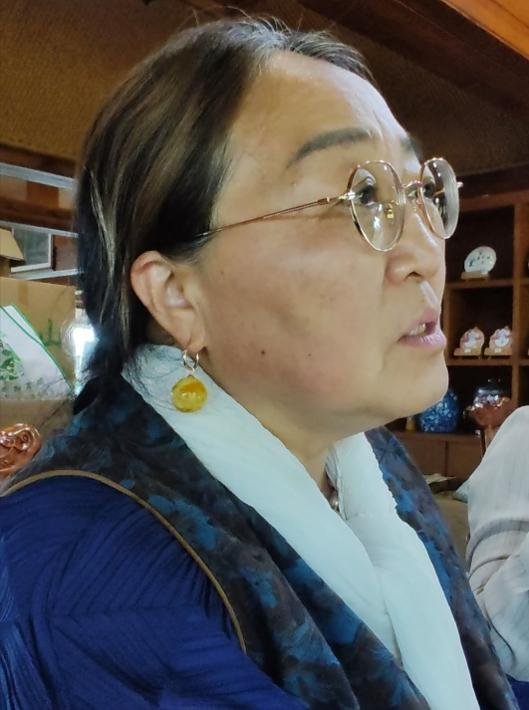
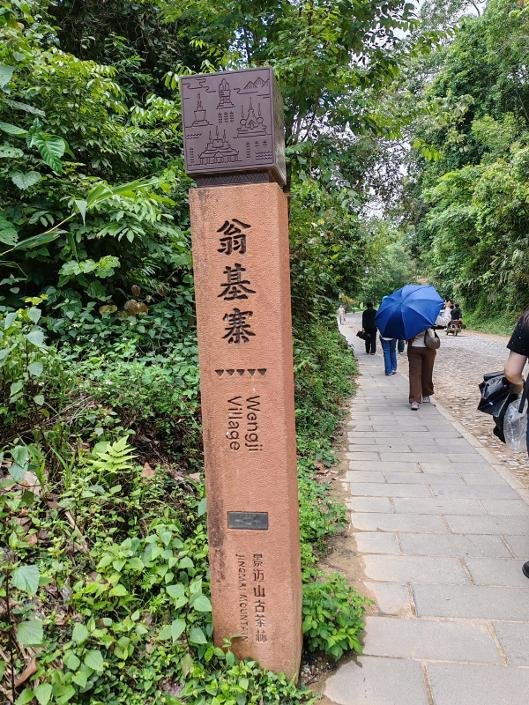
She savoured a freshly brewed cup of tea in a boutique in Wengji, an ancient village nestled in the mist-covered mountains of Jingmai, in China’s Yunnan province.
There was no milk, no sugar and no attempt to alter the tea’s natural taste. Just the leaves, hot water and the fragrance of a landscape that has nurtured tea trees for generations.
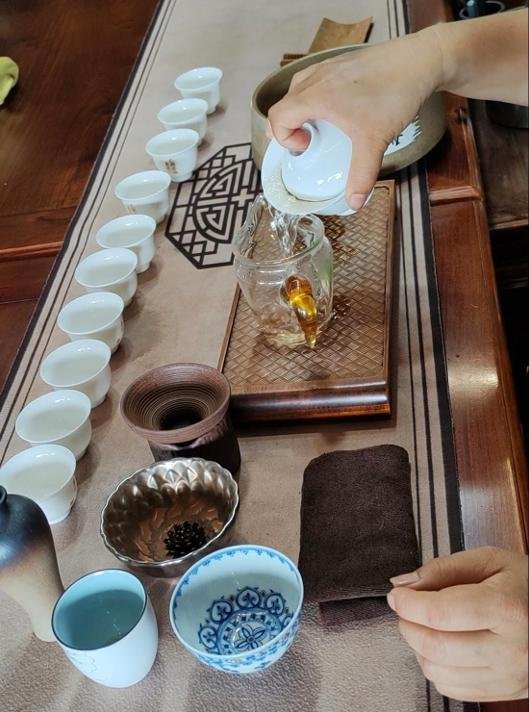
For Prof. Li, drinking tea is more than a daily habit. It is an appreciation of nature, a connection to the land and an opportunity to slow down and savour the moment.
In Jingmai, where ancient tea trees grow amid mist-covered forests, the experience begins long before the first sip. The leaves are carefully brewed, allowing their aroma and flavour to unfold naturally. The ritual invites a moment of calm, turning an ordinary cup of tea into an experience that connects the drinker with the mountains and the people who have tended them for centuries.
“In China, Japan and South Korea, people generally drink tea in its original form because they appreciate its natural flavour and health benefits,” Prof. Li said.
“But in many South Asian and Southeast Asian countries, including Sri Lanka, tea is commonly consumed with milk, sugar and other ingredients. It is a practice shaped largely by colonial influence.”
The difference is more than a matter of taste. It reflects the different cultural journeys tea has taken across the world.
In Jingmai, tea is not simply something to be consumed. It is a way of life, a connection to ancestors and an expression of a culture that values patience, simplicity and authenticity.
And in every cup, there is a story of ancient forests, generations of knowledge and a tradition that continues to thrive in the modern world.
A lesson for Ceylon Tea
Thousands of kilometres away, Sri Lanka has its own tea story, one that has travelled across continents and found a place in homes, hotels and tea cups around the world.
For more than 150 years, Ceylon Tea has been associated with quality, flavour and the distinctive character of the island’s hill country. Its identity has been shaped by misty mountains, rolling plantations, colonial-era architecture and the generations of workers whose lives have been intertwined with the industry.
Yet, as Jingmai demonstrates, the story of tea can extend far beyond the product itself.
The experience of the ancient tea forests offers Sri Lanka an opportunity to look at its own tea-growing regions through a different lens — not merely as places of agricultural production, but as living cultural landscapes with the potential to attract visitors, preserve traditions and create new opportunities for rural communities.
Nuwara Eliya, Dimbula and Hatton possess distinctive landscapes, architecture, labour traditions and communities shaped by the colonial-era plantation system. Their stories are woven into the history of Ceylon Tea, but much of this heritage remains to be fully explored and presented to the world.
Although Sri Lanka’s historic tea-growing regions have not been inscribed on the UNESCO World Heritage List, its hill country tea regions remain on UNESCO’s Tentative List as a proposed ‘Tea Cultural Landscape’.
The proposal recognises the distinctive plantation system that evolved during British colonial rule, combining tea cultivation with communities, architecture and labour traditions.
International recognition could offer an opportunity to strengthen the global identity of Ceylon Tea, provided that the future of these landscapes is planned collectively, with the people who have sustained the industry at its heart.
The experience of Jingmai also raises an important question for Sri Lanka: can the country create greater value from its tea heritage without placing additional pressure on its natural resources and the communities that depend on them?
The answer may lie in recognising that tea is not simply an agricultural commodity. It is also a cultural experience, a story of people and a connection between generations.
Heritage tourism, environmental conservation, cultural preservation and rural entrepreneurship could all become part of a broader vision for the future of Ceylon Tea.
Such a vision would require stronger policies, greater collaboration and a commitment to sustainable development. It would also require a willingness to listen to the people whose lives and identities have been shaped by the tea industry.
Jingmai has shown that a tea-growing region does not necessarily have to produce more to achieve greater value. Its reputation can grow through authenticity, quality, cultural identity and the story it tells.
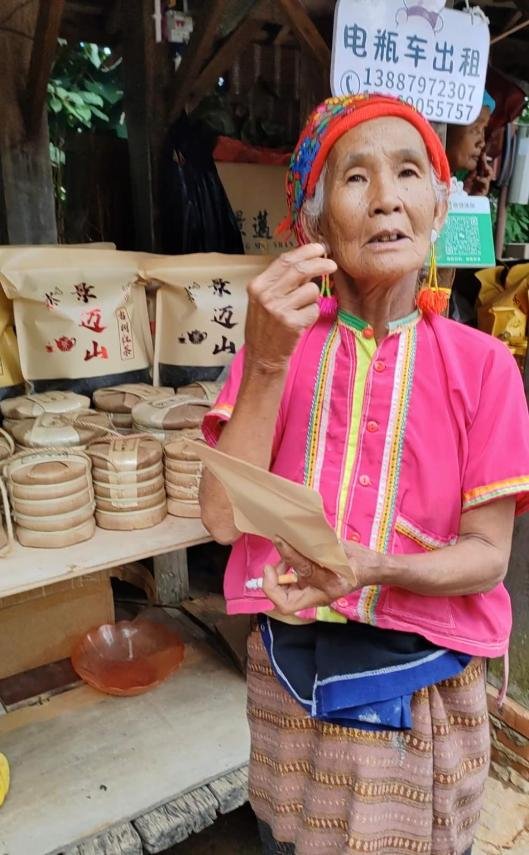
For Sri Lanka, the challenge is to recognise that its tea heritage is not simply a legacy of the past. It is a living asset that could offer new possibilities for the future.
Back in Jingmai, the mist continues to settle over the ancient forests. The tea trees stand quietly on the mountain slopes, their roots embedded in a landscape shaped by generations of human care.
A freshly brewed cup of tea carries the fragrance of those forests into the village homes and tea boutiques where people gather to drink, talk and reflect.
Perhaps that is the enduring lesson of Jingmai is that the true value of tea lies not only in the leaves harvested, but also in the people who nurture them, the culture that surrounds them and the landscapes that give them meaning.

By Shanika Sriyananda
(Writer is a freelance journalist based in Colombo. She was the former Media Director of the Ministry of Defence and Former Director of Research and Analysts at the Presidential Secretariat.)


