
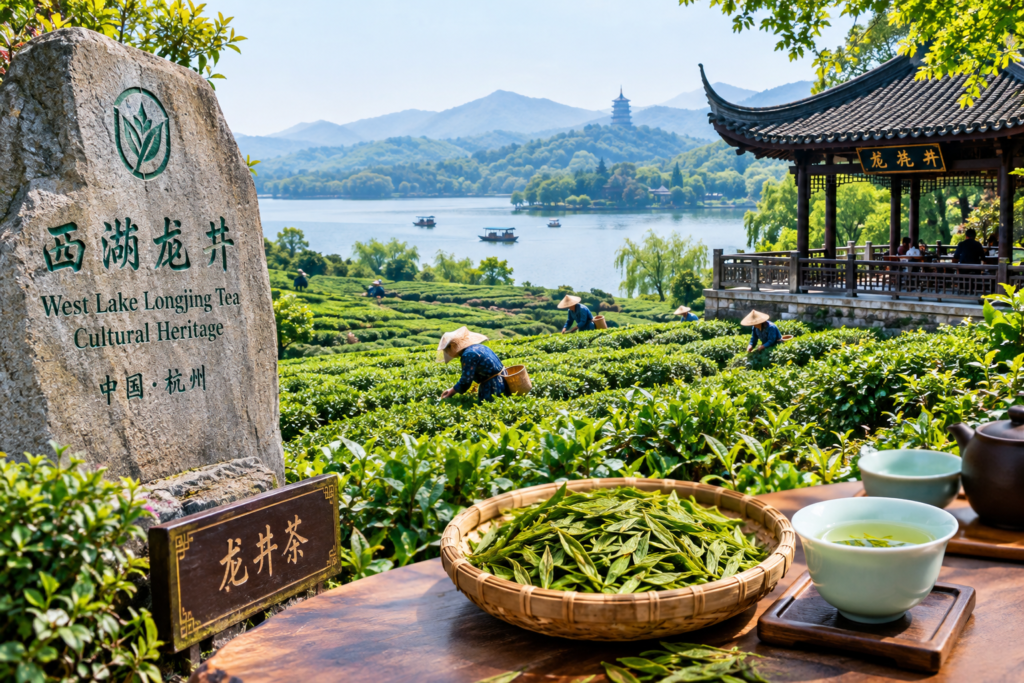
When asked which country produces the best tea in the world, most people point to the high quality of tea from Sri Lanka. However, many are unaware of the country from which the tea plant originally arrived in Sri Lanka. A key fact that emerges from studying history is that the very first tea plant to reach Sri Lanka came from China.
The history of tea cultivation in Sri Lanka is primarily linked to two years: 1824 and 1867. In 1824, a tea plant brought from Hangzhou, China, was planted at the Peradeniya Botanical Gardens, marking the beginning of initial experiments with tea cultivation. History clearly records that the tea industry in Sri Lanka truly began in 1867, when a Scotsman named James Taylor initiated tea cultivation for commercial purposes at the Loolkandura Estate in Kandy.
Today, the tea industry is deeply intertwined with the culture of Sri Lanka. In contrast, China’s tea culture boasts a history spanning approximately 5,000 years.
Hangzhou, the capital of Zhejiang Province in eastern China, is world-renowned not merely for its beautiful West Lake, ancient cultural heritage, and modern urban development, but also because it serves as one of the most significant hubs for Chinese tea culture.
During a recent visit to this picturesque region, I had the opportunity to explore various facets of China’s tea culture. Notably, “West Lake Longjing Tea” produced in the vicinity of Hangzhou holds a prominent place among China’s most celebrated varieties of green tea. It is fair to say that tea cultivation, the plucking of tea leaves, processing, tea consumption, and the rituals associated with these practices are deeply intertwined with the daily lives of the people in Hangzhou.
Longjing Tea and the Historical Heritage of Hangzhou
Tea culture in the city of Hangzhou boasts a long history. Techniques for cultivating and producing tea—passed down through generations—remain a vital component of the city’s cultural identity to this day. The tea plantations located in the hilly regions surrounding West Lake are considered the heart of Hangzhou’s tea culture. In particular, Longjing Village and its surrounding areas are renowned for the production of Longjing tea.
The name ‘Longjing’ translates to ‘Dragon Well’ in English. Both the name itself and the legends surrounding this variety of tea add a unique dimension to Chinese tea culture.
Historical records confirm that Longjing tea gained royal recognition during China’s Qing Dynasty. This elevated it beyond a mere everyday beverage, transforming it into a product of significant cultural value.
What makes Longjing tea special?
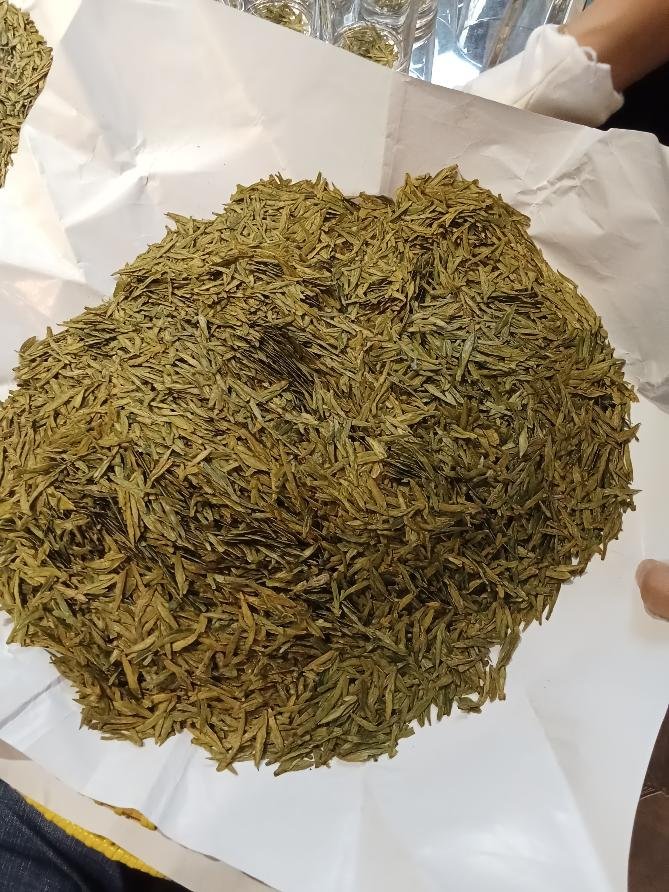
Longjing tea is a well-known variety of green tea from China. Its leaves are flat in shape, and it is characterized by a fresh aroma, a mild flavor, and a subtle, lingering sweetness after consumption.
The quality of this tea is determined by factors such as the cultivation site, climatic conditions, the timing of the harvest, and the processing techniques employed. Once harvested, the tea leaves are processed promptly to preserve their freshness and flavor. Processing the leaves which involves the application of heat and precise manual handling requires specialized training and experience.
Furthermore, delicate tea leaves harvested in early spring are considered particularly valuable. I have learned that there is a high demand for Longjing tea, specifically when it is harvested before China’s Qingming Festival.
From the Tea Plantation to the Teacup
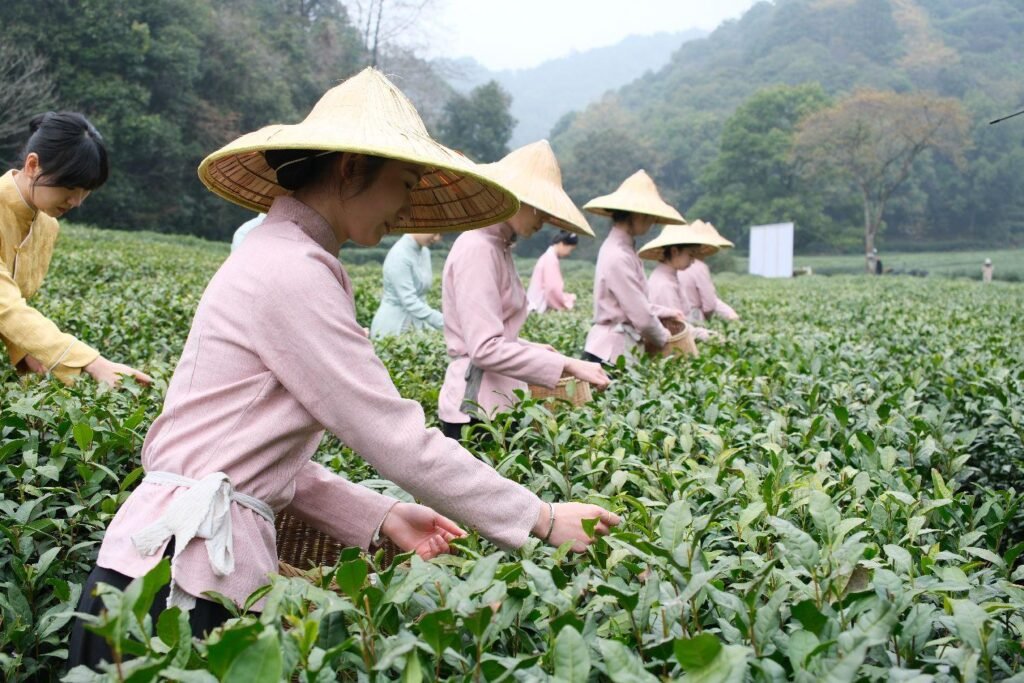
A notable aspect of the beauty of tea culture in Hangzhou is that it can be observed within the production process itself. With the arrival of spring, tea plantations become filled with fresh, new shoots. Tea pickers head to the plantations located on the hillsides to gather carefully selected, delicate leaves. Great attention is paid to the timing of the harvest and the specific method used to select the leaves. This is followed by processes such as drying, tea processing, and roasting which involves the application of heat as required.
In the production of Longjing tea, in particular, the precise control of heat is crucial. Experience is an essential factor in ensuring the leaves are processed in a way that preserves their shape and aroma, without subjecting them to excessive heat.
This process reveals that tea production is not merely an agricultural activity; it is a cultural heritage a culmination of knowledge and craftsmanship that has evolved over generations. Tea and Chinese Life
Tea holds a special place in the daily lives of the Chinese people. Consuming tea whether at home, in offices, in restaurants, or in establishments dedicated specifically to tea drinking is a common social custom. It serves not merely as a way to quench one’s thirst, but also as an integral part of welcoming guests, meeting friends, and conducting discussions.
The tea culture of Hangzhou with its emphasis on a connection to nature, tranquility, and a simple lifestyle left a profound impression on me. As I wandered through this beautiful region, I was repeatedly struck by the immense value of taking a moment to step away from the hectic pace of daily life simply by sitting in a hillside tea plantation or a traditional teahouse to savor a cup of tea.
West Lake and Tea Culture
One cannot discuss the tea culture of Hangzhou without mentioning West Lake. The environment surrounding West Lake comprising mountains, lakes, gardens, ancient buildings, and temples has captured the attention of Chinese poets, painters, and scholars for centuries.
This setting adds a special dimension not only to the cultivation of tea but also to the experience of drinking it. Tea plantations nestled among green hills, along with teahouses surrounding the lake, offer visitors an opportunity to experience the cultural heritage of Hangzhou firsthand.
With the inclusion of the West Lake Cultural Landscape in the UNESCO World Heritage List in 2011, the profound connection between nature and human creativity was vividly demonstrated.
Introducing Tea Culture to the World
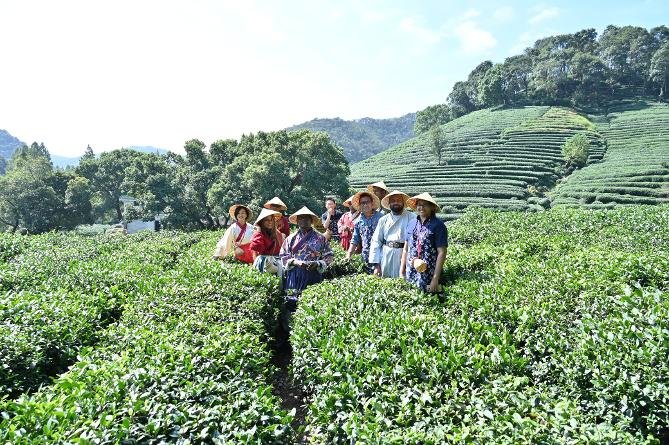
While preserving its tea heritage, the city of Hangzhou is also actively working to introduce it to new generations and the international community. To this end, the city organizes tea festivals, exhibitions, tea-tasting sessions, and immersive experiences that showcase traditional tea-processing methods. Since 2012, April 20th has been celebrated in Hangzhou as a special day dedicated to tea; on this day, programs centered on tea culture, tea tastings, and traditional tea arts are presented.
Furthermore, the China National Tea Museum, located in Hangzhou, offers opportunities to learn about the history of tea, its various types, preparation methods, and the traditions surrounding its consumption. The inclusion of traditional tea-production techniques and associated social customs on the UNESCO Representative List of the Intangible Cultural Heritage of Humanity in 2022 has served as a key factor in affirming the international significance of this heritage. Rural Economy and the Tourism Industry
In Hangzhou, tea culture is not limited to mere cultural value; it is deeply intertwined with the livelihoods of the rural population, agricultural production, and the tourism industry.
Meijiawu Tea Culture Village, in particular, is renowned for the production of Longjing (Dragon Well) tea. Tourists visiting its tea plantations have the opportunity to learn about tea cultivation, taste fresh tea, and, at times, even experience the process of picking and processing tea leaves. I observed that tea houses and tourism-related services centered around these plantations have created vital income sources for the local people. In Hangzhou, it became further evident how traditional tea culture is integrated with the modern economy, thereby contributing to rural development.
The Message Conveyed by a Cup of Tea
It must be noted that Hangzhou’s tea culture offers an important lesson for the rest of the world. In other words, the preservation of a nation’s cultural heritage and the advancement of modern development are not mutually exclusive endeavors.
The city of Hangzhou is striving to integrate its long-standing, inherited knowledge of tea cultivation—passed down through generations—into the tourism sector, education, and international cultural exchange. Here, a cup of tea is more than just a beverage; it serves as a symbol that weaves together history, agriculture, the environment, daily life, and cultural identity.
It is significant to recognize that the tea culture of Hangzhou a city with a history spanning thousands of years stands as a living heritage, bridging China’s past with its present.
The unique identity of Hangzhou is shaped by a harmonious blend of elements: the fragrance of Longjing tea, the scenic beauty of hillside tea plantations, the tranquil atmosphere of West Lake, and the social traditions that have evolved around the act of drinking tea all of which deserve to be duly appreciated. Regardless of how rapidly the world changes, the tea culture of Hangzhou demonstrates a key lesson: it is possible to preserve one’s cultural roots while simultaneously introducing them to the modern world.
Part Three

Note by
Chandana Wijekoon


