
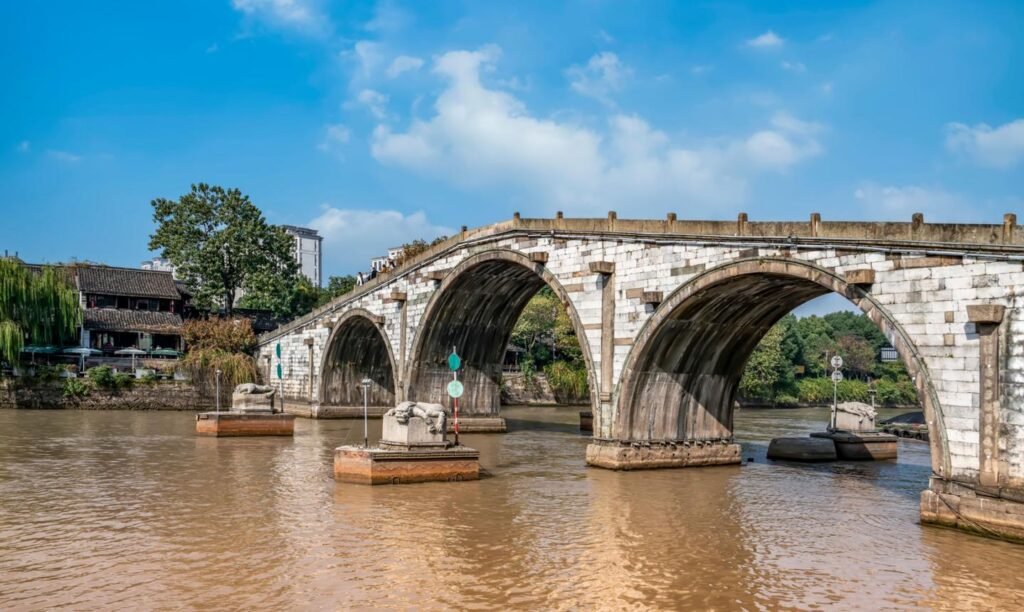
It is the view of experts that safeguarding a nation’s cultural identity is a vital component of development. In particular, moving toward the future while forgetting the past leads to the erosion of social value systems and the emergence of social instability. However, I recently had the opportunity to witness firsthand how China while pursuing its development goals prioritizes cultural identity and remains committed to preserving its heritage.
This was made possible through an invitation from the China Cultural Center in Sri Lanka, which allowed me to visit the city of Hangzhou, China.
When discussing the cultural heritage of Hangzhou, special mention must be made of the world-renowned West Lake, the ancient Grand Canal, and the archaeological heritage of Liangzhu.
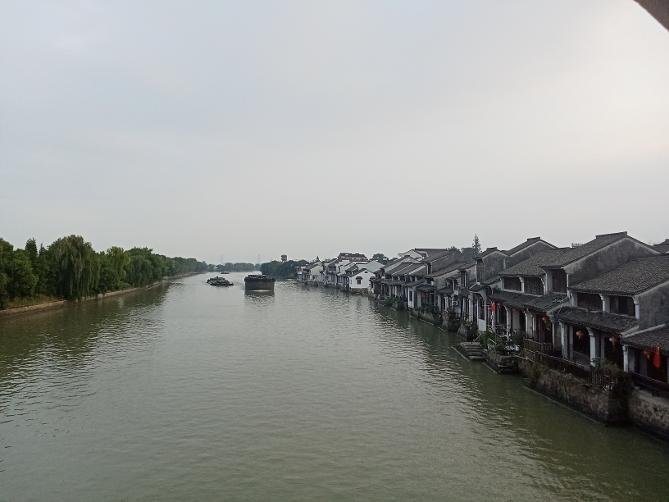
The Liangzhu Civilization and Traces of a 5,000 Year Old Past
The Liangzhu Civilization stands as one of the most significant archaeological heritages found in the region surrounding Hangzhou, China. It is worth noting that this civilization, which existed in the Yangtze River Delta region approximately 5,000 years ago, provides significant evidence regarding the social organization, agriculture, water management, craftsmanship, and religious beliefs of ancient China.
Archaeological excavations in the Liangzhu area have uncovered massive water management systems, the ruins of an ancient city, and artifacts crafted from jade all of which demonstrate to the world today the advanced technical and organizational capabilities of that society.
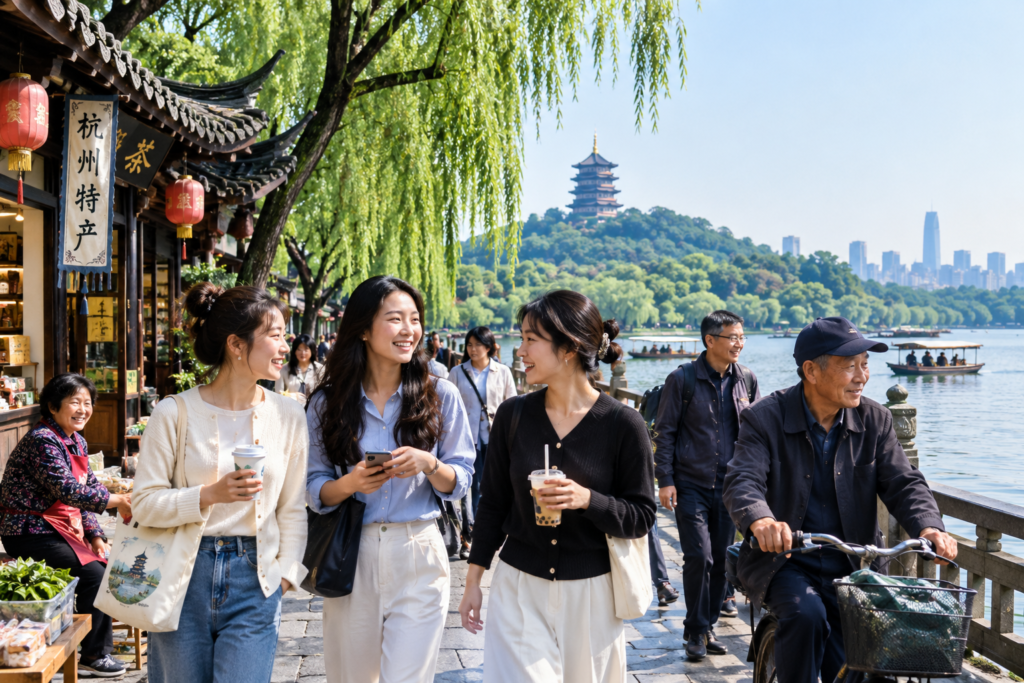
It did not take me long to realize that the Liangzhu archaeological site inscribed on the UNESCO World Heritage List in 2019 serves as a vital hub for understanding China’s early urban civilization. Preserving this heritage entails far more than merely protecting an archaeological site. As a Sri Lankan, I feel a sense of pride in the efforts made to introduce the lifestyle, knowledge, and creativity of the Chinese people of the past to the modern generation.
West Lake: A Remarkable Blend of Nature and Culture
West Lake is another site deeply intertwined with the cultural identity of Hangzhou. Comprising a lake, mountains, bridges, gardens, ancient temples, and historical buildings, this area has exerted a profound influence on Chinese aesthetics, literature, and the arts.
In 2011, the Cultural Landscape of West Lake was designated as a UNESCO World Heritage Site. What makes this place unique is the seamless integration of the natural environment and human-made structures. Through my study of history, it has become clear to me that poets, painters, and philosophers have drawn inspiration from West Lake since ancient times. Even today, protecting the environment, maintaining water quality, preserving historic buildings, and regulating tourism activities have become important tasks.
For the residents of Hangzhou in particular, West Lake is more than just a tourist attraction; it is a resource that embodies the history, culture, and collective memory of their city. Consequently, the people of Hangzhou are deeply committed to its preservation.
The Ancient Grand Canal: A Heritage Beyond a Mere Waterway
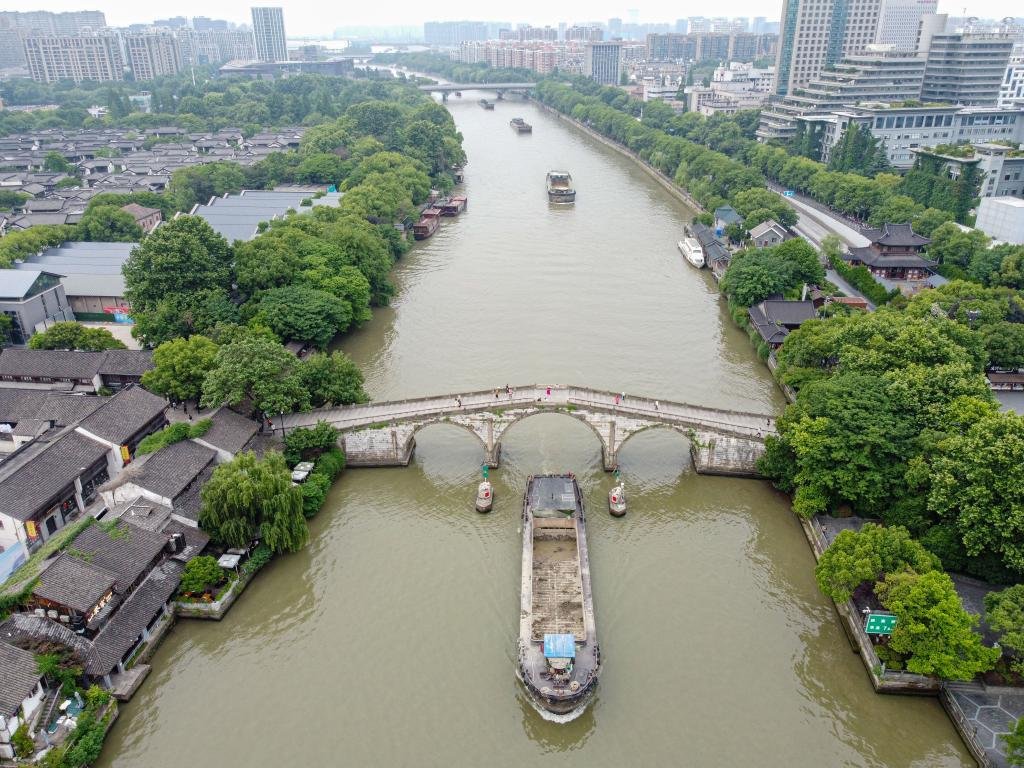
The Ancient Grand Canal holds a unique place in China’s cultural history. Stretching from Beijing to Hangzhou, this historic system of waterways has played a pivotal role in strengthening economic, social, and cultural ties across various regions of China.
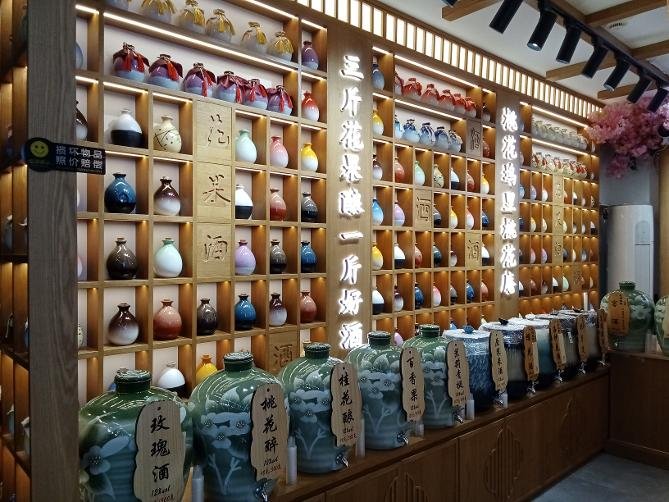
Hangzhou is a significant city situated at the southern terminus of this Grand Canal. Historically, this waterway served as a vital artery for the transport of goods, trade, and the movement of people. In 2014, China’s Grand Canal was inscribed on the UNESCO World Heritage List. Today, the preservation of this heritage encompasses not only the ancient waterways themselves but also the associated historic buildings, old streets, traditional commercial practices, and the way of life of the people. It is evident that by preserving areas associated with ancient canals particularly alongside modern urban development a connection has been forged between the lifestyles of the past and contemporary urban life.
Traditional Arts, Crafts, and Local Identity
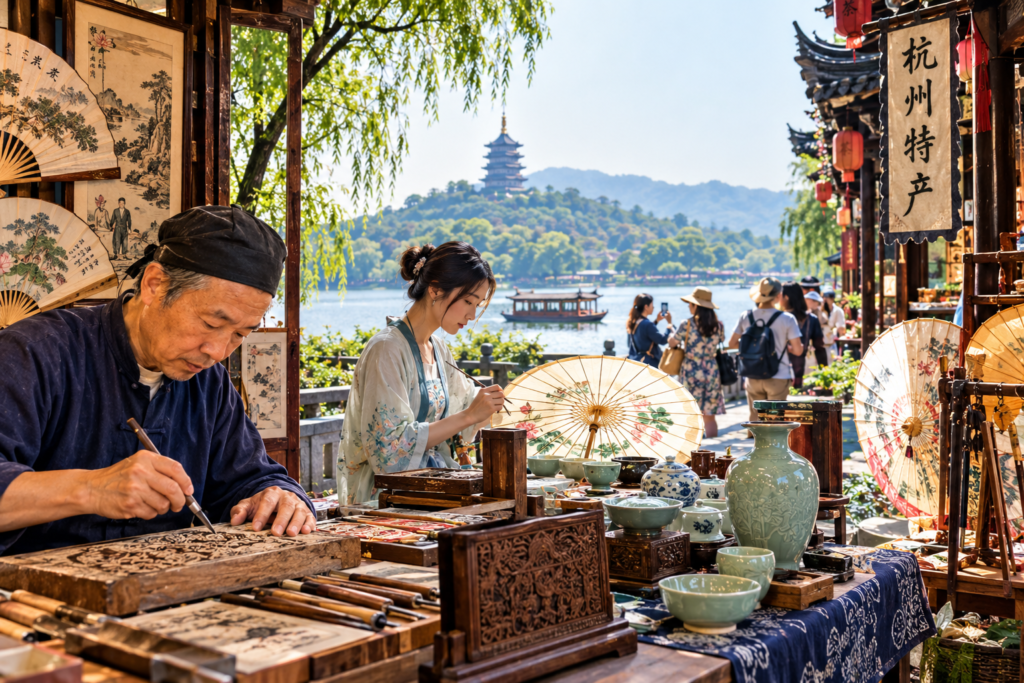
Cultural heritage encompasses more than just ancient buildings or archaeological sites; it also includes knowledge, craftsmanship, culinary traditions, festivals, and ways of life passed down from generation to generation. The city of Hangzhou is renowned for its silk production, traditional Chinese painting, and tea culture most notably for ‘Longjing’ (Dragon Well) tea.
To sustain these traditions, it is essential to safeguard the expertise of artisans, provide training for the younger generation, and link traditional products with new markets. Consequently, the people of China fully understand that the preservation of cultural heritage is not a task confined solely to the past. A notable aspect is that this heritage is intrinsically linked to the livelihoods of the present-day population and the opportunities available to future generations. I clearly observed how China has succeeded in breathing new life into these traditions by integrating modern technology into traditional crafts, promoting them via the internet, and developing cultural tourism.
Balancing Development and Heritage Conservation
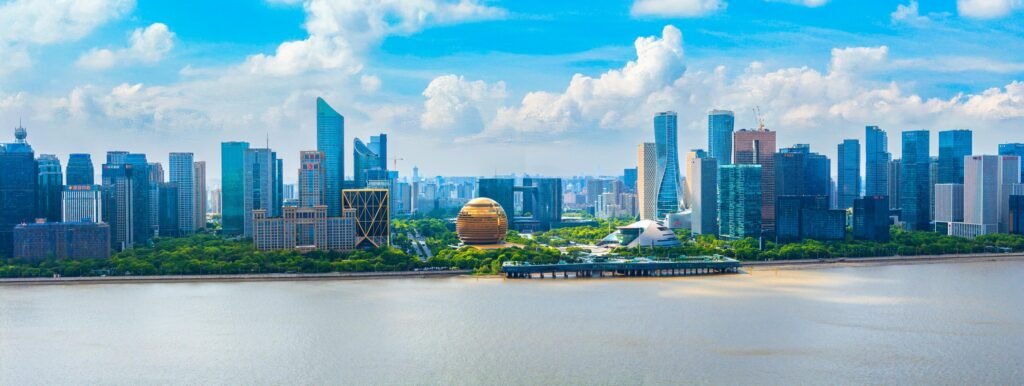
In an increasingly urbanizing world, a major challenge facing historic cities is maintaining the right balance between development and conservation. Protecting old buildings and historic environments while constructing new structures, roads, commercial centers, and tourism facilities is no easy task. It is no secret that cities like Hangzhou are also currently grappling with this challenge. Key tasks in this regard include maintaining accurate records of historical sites, restoring ancient buildings using scientific methods, controlling environmental pollution, and managing the impact of tourists. Furthermore, when making decisions concerning cultural heritage, it is essential to consider the views and needs of the communities living in the vicinity. China has clearly recognized that the involvement of state institutions alone is insufficient for the successful preservation of heritage; it also requires the participation of local residents, contributions from researchers, the engagement of educational institutions, and the assumption of responsibility by the private sector.
Passing on Heritage to Future Generations
The primary objective of safeguarding cultural heritage is to pass it on to future generations. To this end, China is actively working to introduce the history of local areas to children and youth, provide opportunities for them to visit museums and historical sites, and offer training in traditional crafts. A significant factor in this endeavor has been the consistent and substantial support received from the public. It did not take long for me to realize that modern digital technology has opened up new possibilities in this regard. In particular, 3D models, digital archives, online exhibitions, and virtual tours are bringing information about historical sites to people all over the world.
Furthermore, China has come to understand that by disseminating accurate information about historical sites through social media, it is possible to capture the interest of the younger generation. It should be noted that such initiatives allow cultural heritage to be preserved not merely as a collection of ruins from the past, but as a living, vibrant part of contemporary society. What Example Does Hangzhou Set for the World?
The most important lesson I learned from the city of Hangzhou in China is that economic development and the preservation of cultural heritage need not be conflicting goals. If the remnants of an ancient civilization, historical waterways, traditional arts and crafts, and the natural environment are managed properly, they can contribute significantly to education, research, the tourism industry, and the local economy.
However, true preservation entails more than merely safeguarding the external appearance of historical sites. In my view, it must also encompass the protection of their historical authenticity, cultural significance, and the way of life of the people intrinsically linked to them. Ultimately, the heritage of Hangzhou serves as a reminder that a nation’s development should not be measured solely by the number of new buildings and roads constructed. It must be noted that a country’s capacity to safely pass on the values inherited from the past to future generations is also a vital metric of its development. The commitment shown by the People’s Republic of China in this regard today serves as an example to the entire world. What, then, becomes clear from this perspective? Does the story of Hangzhou a city that advances alongside the modern world while safeguarding the heritage of a civilization spanning thousands of years not convey an important message to every nation across the globe that aspires to development while preserving its own cultural identity?
Trip to Hangzhou — Part Two-

Note
By Chandana Wijekoon


