
Our group’s destination was Hangzhou a beautiful Chinese city where the legacy of an ancient civilization meets modern development. Departing from Colombo’s Bandaranaike International Airport, we arrived at Kunming International Airport in China after a five-hour flight. Following another three-hour flight, we reached Hangzhou International Airport. Upon our arrival, we were welcomed by Laura, who provided us with an overview of our visit to Hangzhou.
The guide and coordinator for this trip was Mr. Li Liangpei, the Chief Administrative Officer of the China Cultural Center in Sri Lanka. Under his leadership, our group began the journey to Hangzhou on October 15, 2026, setting out to discover the unknown by building upon what was already known. Hangzhou, the capital of Zhejiang Province located near China’s eastern coast is a city rich in cultural heritage spanning thousands of years. What makes this city unique is that it brings together traces of ancient Chinese civilization, a beautiful natural environment, historical architecture, and modern technological development, all within a single locale.
When discussing Hangzhou, one must consider not only its contemporary development but also the Liangzhu civilization, which existed approximately 5,000 years ago. Archaeological evidence of this civilization, discovered in an area near present-day Hangzhou, reveals significant insights into early Chinese social organization, agriculture, irrigation systems, and complex urban life.
The Liangzhu Civilization: The World 5,000 Years Ago
The Liangzhu civilization holds a unique place in the study of the history of Hangzhou. My historical research confirms that this civilization, which flourished between 3300 and 2300 BCE, was a significant Neolithic culture that developed in the Yangtze River Delta region of China.
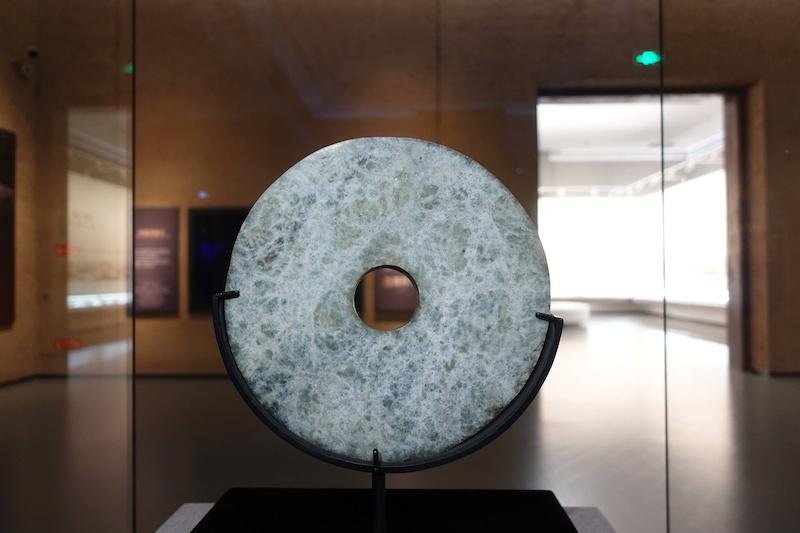
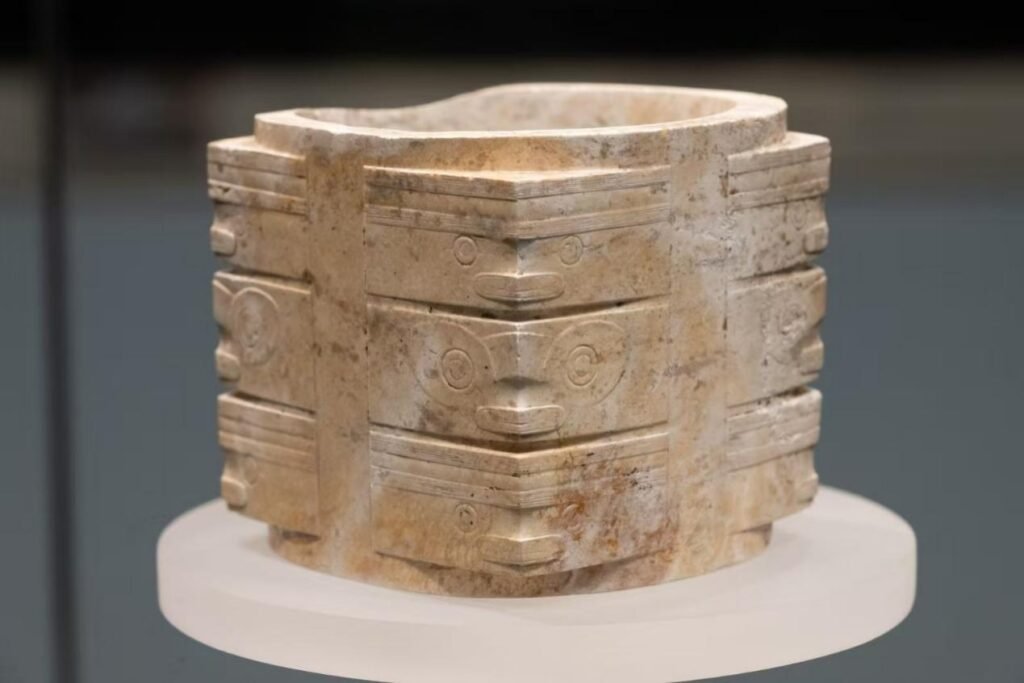
Its archaeological remains include planned settlements, extensive water management systems such as irrigation and water-retention structures as well as jade artifacts crafted with a high level of technical skill.
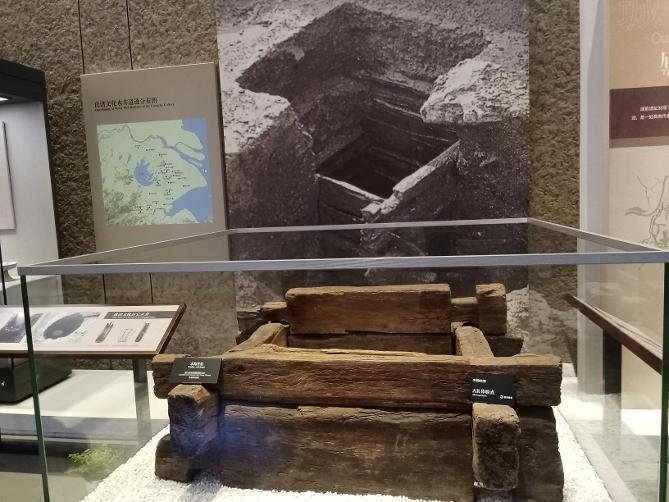
This evidence indicates that the people of that era possessed an advanced understanding not only of agriculture but also of social organization, construction technology, and religious or ritualistic practices.
The archaeological site of Liangzhu was inscribed on the UNESCO World Heritage List in 2019. Consequently, this civilization gained international recognition as an important legacy not only for China but for the entire history of humanity.
West Lake: A Heritage Blending Nature and Culture
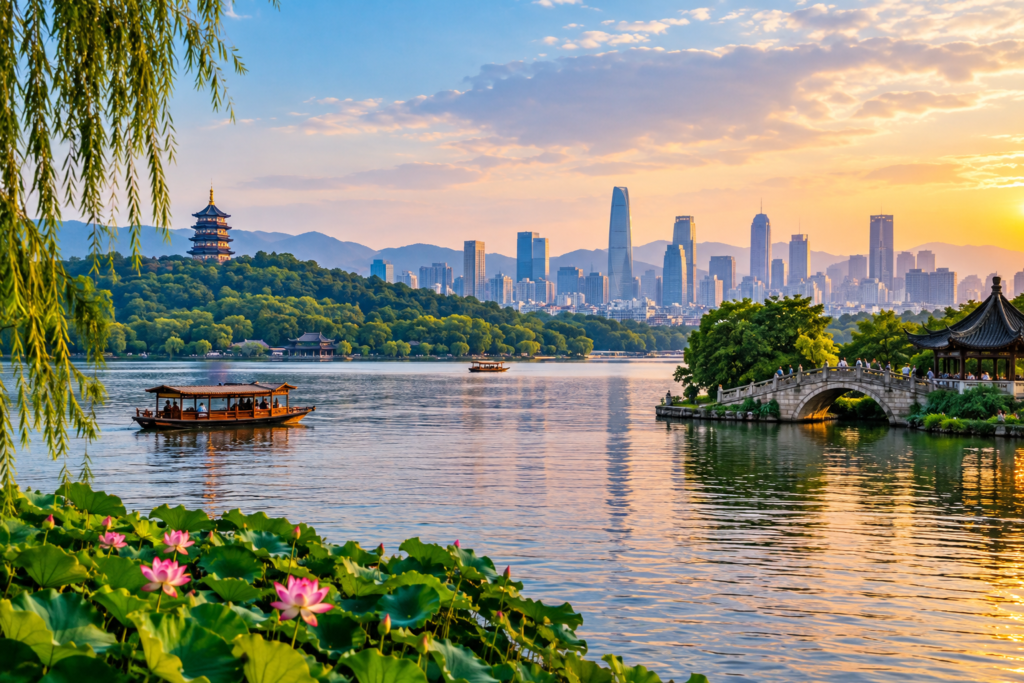
When discussing the identity of Hangzhou, one cannot overlook West Lake. With its mountain ranges, gardens, bridges, islands, and traditional Chinese architecture, this lake stands as an iconic site that epitomizes the beauty of China.
West Lake is significant for more than just its natural beauty; it is a cultural landscape that has long influenced Chinese poetry, painting, literature, and garden design.
The historical bridges, pagodas, temples, and gardens surrounding the lake evoke various eras of Chinese history. West Lake also serves as a significant example of how cultural heritage can be preserved while safeguarding the natural environment. During this visit, I learned that the cultural landscape of West Lake was designated as a UNESCO World Heritage Site in 2011.
The Ancient Grand Canal: A History Forged by a Waterway
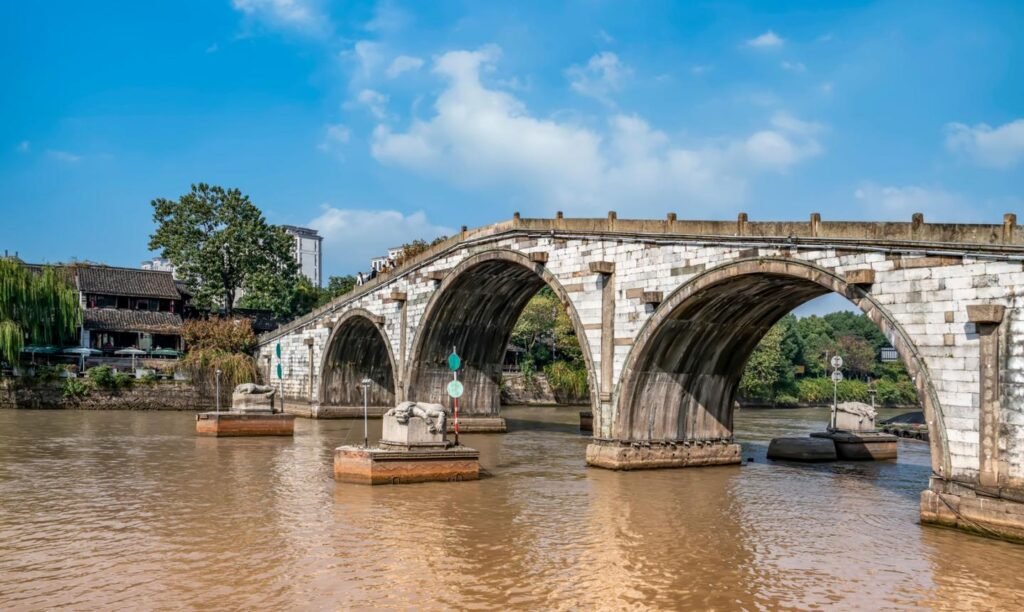
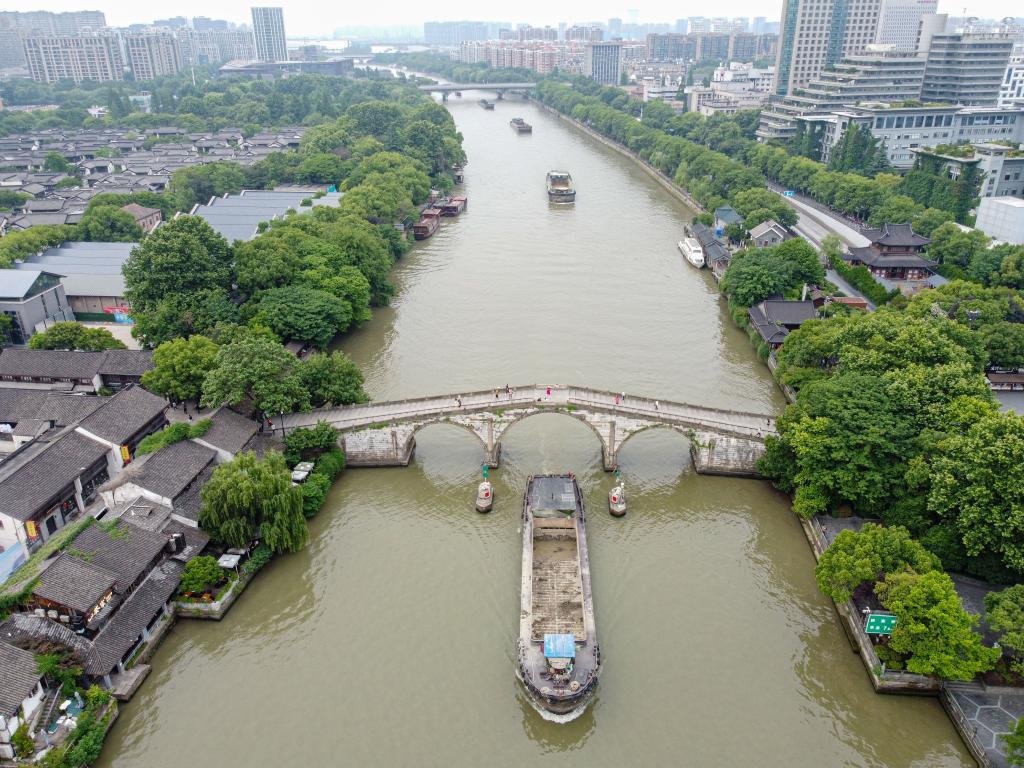
The history of Hangzhou is closely intertwined with China’s ancient Grand Canal. This massive system of waterways, which connected the northern and southern regions of China, played a vital role throughout history in trade, agriculture, transportation, and governance.
Hangzhou serves as a major city located at the southern terminus of this canal system. Archaeological evidence confirms that, in the past, these waterways facilitated the transport of goods and fostered the development of economic and cultural ties between various regions. The surviving ancient canals, historic bridges, and associated settlements offer significant insight into how a city and indeed a nation was built through the utilization of water resources. Notably, China’s ancient Grand Canal was inscribed on the UNESCO World Heritage List in 2014.
Capital of the Southern Song Dynasty
The historical significance of Hangzhou was further elevated during the era of the Southern Song Dynasty. The southern administration of the Song Dynasty was established following the fall of the city of Kaifeng in northern China to Jurchen invaders in 1127. By 1138, Hangzhou known at the time as Lin’an had become its official capital.
During this period, Hangzhou flourished in terms of trade, craftsmanship, literature, and the arts. The city supported a large population, and both domestic and international trade connections expanded.
In particular, the production of silk, ceramics, tea, and other commodities provided a significant boost to the city’s economy. Consequently, Hangzhou can be regarded not merely as a city that has preserved its ancient heritage, but also as a major economic and cultural hub in Chinese history.
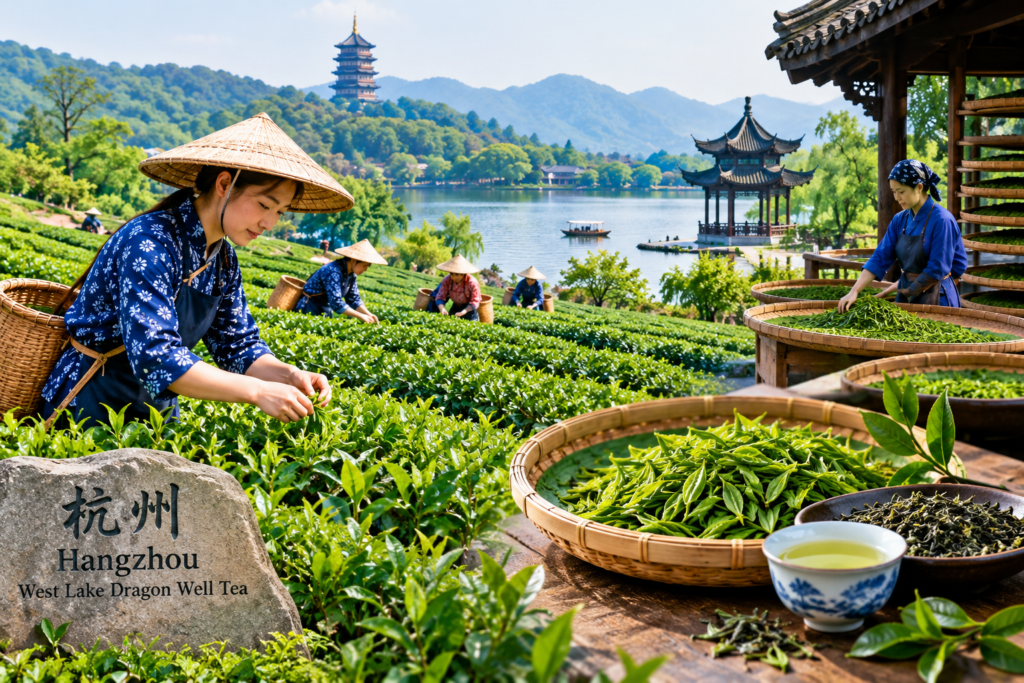
The Fragrance of Tea Culture
The city of Hangzhou shares a unique connection with China’s tea culture. In particular, Longjing or “Dragon Well” tea has earned the region international renown. Cultivated in the mountainous areas surrounding West Lake, Longjing tea is celebrated for its distinct aroma, flavor, and traditional production methods. Tea cultivation and consumption are deeply woven into the fabric of daily life, hospitality, and cultural traditions within Chinese society.
A notable aspect of Hangzhou is how it has successfully strengthened its local economy by integrating tea cultivation, environmental stewardship, and the tourism industry.
From Ancient City to Modern Tech Hub
Today, Hangzhou commands global attention not merely for its historical heritage, but because it has emerged as a vital hub for modern technology, the digital economy, and innovation in China.
Hangzhou stands as a leading city, particularly in the realms of e-commerce, software development, digital payments, and technology-driven entrepreneurship. The city has garnered international attention due to its association with technology enterprises such as Alibaba. In particular, the city’s modern transport infrastructure, business zones, educational institutions, and research centers contribute significantly to its economic development.
Nevertheless, the city’s modernization has not come at the expense of its ancient heritage. Maintaining a balance between preserving historical sites, promoting tourism, and developing modern urban facilities remains a key challenge for Hangzhou.
A City Where the Past Meets the Future
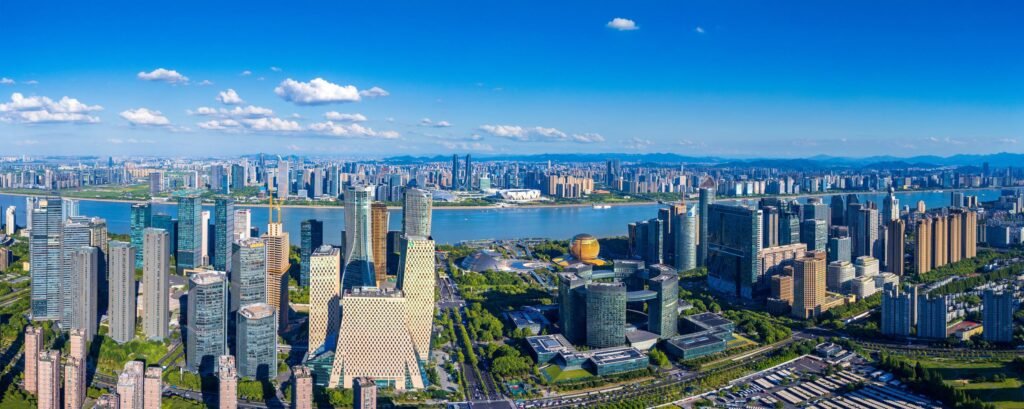
A look at Hangzhou reveals that development is not merely about constructing new buildings or adopting technology. The water management systems of the Liangzhu civilization dating back some 5,000 years the cultural landscape of West Lake, the transport network of the ancient Grand Canal, and the commercial prosperity of the Southern Song Dynasty all play a role in defining the city’s contemporary identity to the world. In this sense, Hangzhou is not a city that confines its history within the walls of museums. It is entirely accurate to describe it as a city that strives to integrate the knowledge, culture, and environment inherited from the past with the needs of modern society.
The Message Hangzhou Offers the World
An important lesson the world can learn from the experience of Hangzhou is that the past must not be forgotten when building the future. It is crucial to recognize that the preservation of cultural heritage, the protection of the natural environment, the advancement of knowledge and technology, and the improvement of people’s quality of life need not be conflicting objectives.
It is my view that Hangzhou enriched by a history spanning nearly 5,000 years stands before the world today as a living example of how the past, the present, and the future can be interconnected. The true value of Hangzhou lies not merely in its ancient heritage, but also in the dedicated efforts to bequeath that heritage to future generations.
Trip to Hangzhou – Part One

Note—
By Chandana Wijekoon


