
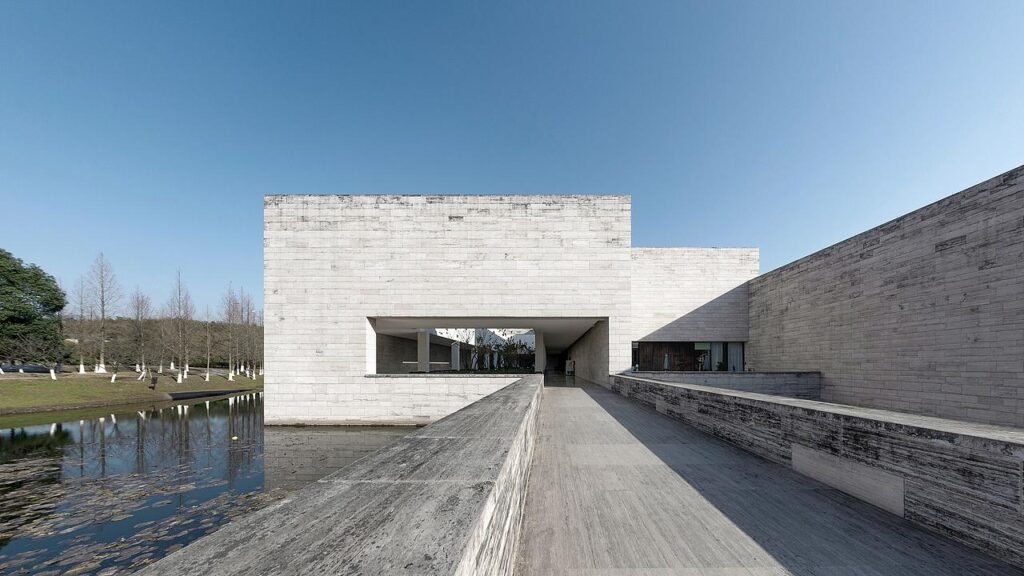
I recently had the opportunity to visit the Liangzhu Museum in the city of Hangzhou a site that reflects the grandeur of 5,000 years of Chinese civilization and to study its history in depth. This opportunity arose when I joined a trip to Hangzhou organized by the China Cultural Centre in Sri Lanka.
It is worth noting that the Liangzhu Museum which showcases China’s history spanning over 5,000 years through the ruins of an ancient city, unique jade artifacts, and an advanced water management system has today become a significant hub for the study of world cultural heritage.
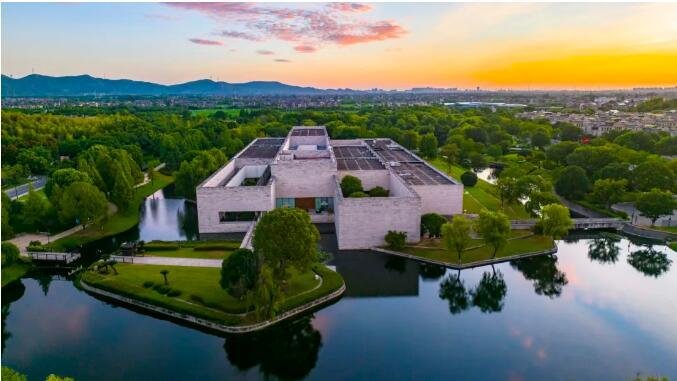
Located in the Yuhang District of Hangzhou, in China’s Zhejiang Province, the Liangzhu Museum is an archaeological museum that exhibits a wealth of evidence regarding the history, culture, and technological advancements of an ancient Chinese civilization. This museum is particularly significant as it serves as a center for preserving the heritage of the Liangzhu civilization which flourished in the lower Yangtze River valley approximately 5,000 years ago and for imparting knowledge about it to future generations.
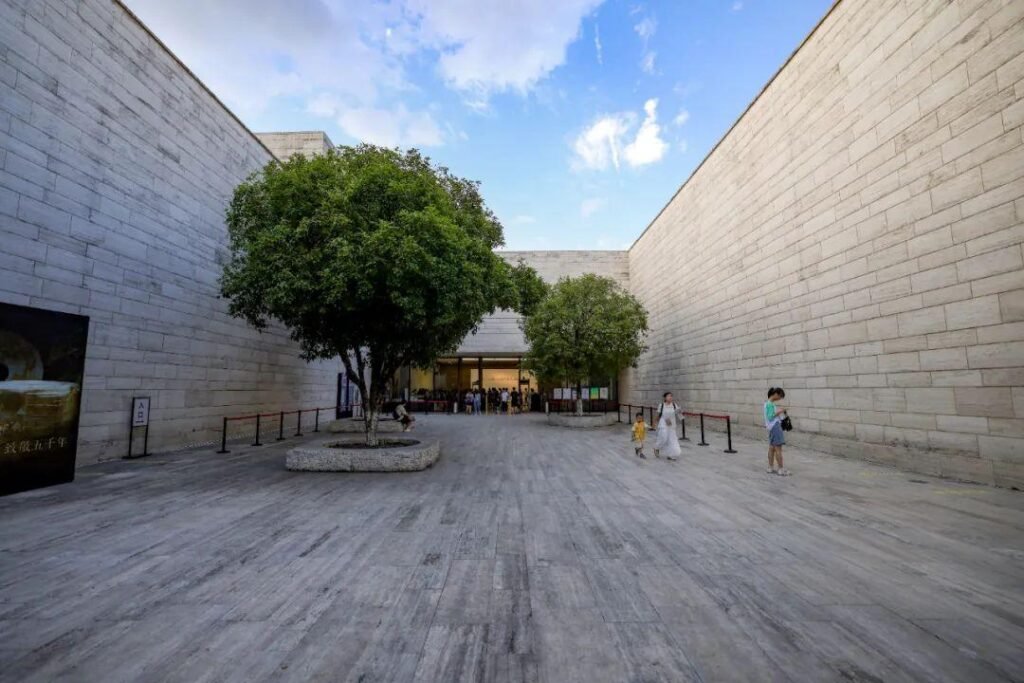
The Story of a Civilization Thousands of Years Old
The Liangzhu culture was a Neolithic culture that thrived between 3300 and 2300 BCE. It is recognized as a civilization characterized by an economy based on rice cultivation, an organized social structure, and distinct religious and ritualistic traditions. In particular, the ruins of the ancient city of Liangzhu reveal that its inhabitants did not merely live in simple villages, but had established a structured, planned urban life. As I walked through the Liangzhu Museum, it became clear to me that the city planning, massive earthen embankments, water storage and management systems, specialized burial grounds, and sophisticated craftsmanship all testify to the highly organized nature of that society. These discoveries provided me with a new understanding of how civilization developed in ancient China.
A Collection of Over 3,000 Artifacts
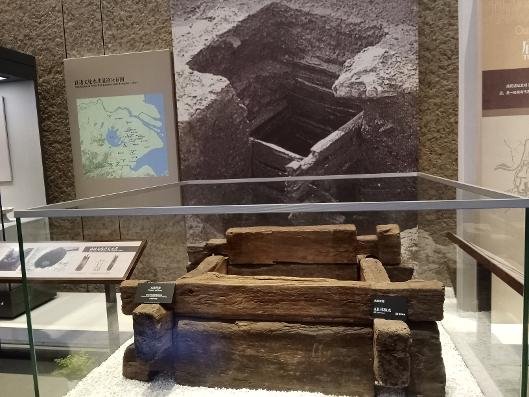
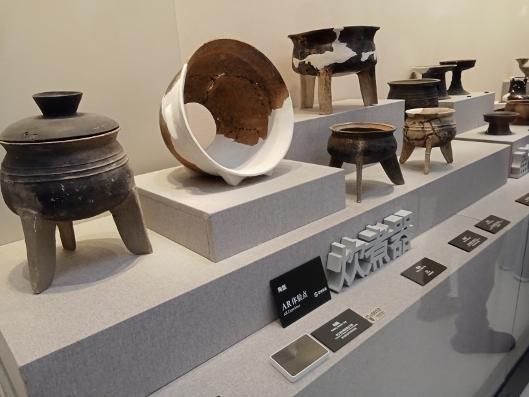
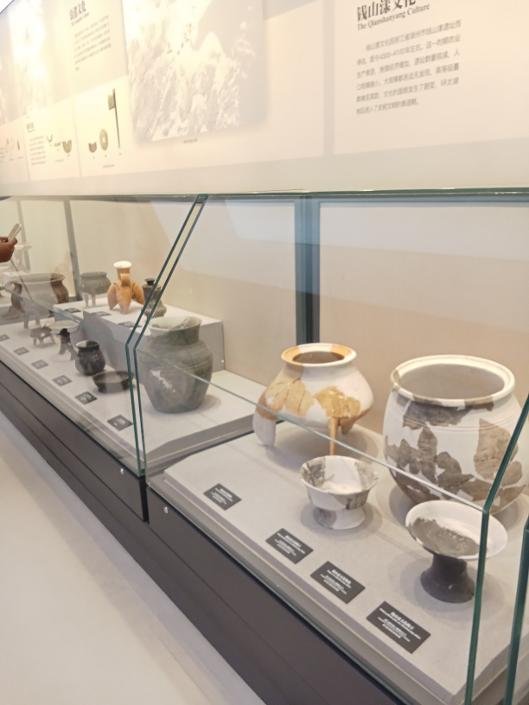
The Liangzhu Museum houses a collection of more than 3,000 cultural artifacts unearthed during archaeological excavations. This collection includes jade carvings, pottery, stone tools, bone artifacts, and various other antiquities.
I learned through my study of the Liangzhu Museum that 608 cultural artifacts (or sets of items) are on permanent display, a significant portion of which originate from archaeological discoveries made within the last decade. These objects reveal a great deal about the daily life, economic activities, artistic creativity, and social organization of the Liyanshu people.
Ancient Culture Revealed Through Jade Artifacts
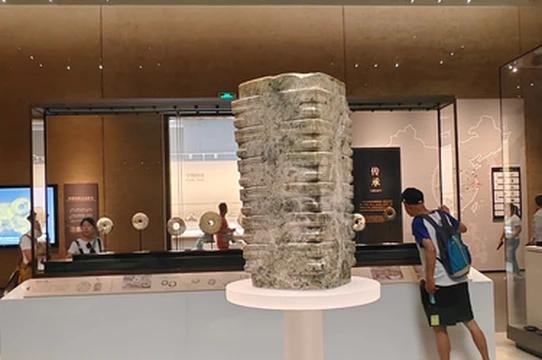
One of the most striking features of the Liangzhu civilization is its archaeological artifacts crafted from the precious stone known as jade. Particularly prominent among these are *Cong* jade objects characterized by a square exterior and a circular interior—as well as *Bi* (circular jade discs) and *Yue* (jade axes).
The shapes, surface carvings, and exquisite finish of these creations demonstrate the technical proficiency and artistic skill possessed by the craftspeople of that era.
According to archaeological studies, many of these jade artifacts were associated with ritualistic and symbolic functions. Their usage and the contexts in which they were discovered provide insights into the relationships between religious beliefs, power, and social status within Liangzhu society.
Thus, these jade creations are not merely decorative objects; they serve as archaeological evidence that helps us understand the worldview and cultural identity of an ancient society. Advanced Urban Planning and Water Management
Another distinctive feature of the Liangzhu civilization is its sophisticated water management system. The large earthen embankments constructed around the ancient city, along with structures designed to collect and control water, provide insight into the engineering knowledge possessed by the people of that era.
Archaeological evidence indicates that the management of water resources was crucial for agriculture particularly rice cultivation as well as for sustaining human settlements.
The construction of a city and the maintenance of a water control system—achieved by organizing the labor of a large number of people in such an ancient era serve as significant evidence of the planning capabilities and the advanced level of collective organization within Liangzhu society.
Three Exhibition Halls at the Museum
The permanent exhibition at the Liangzhu Museum is organized across three main halls. The first exhibition hall presents information regarding the Liangzhu society which developed in a wetland environment as well as its surroundings and the lifestyle of its people. The second hall focuses on the structure, urban planning, and civilizational development of the ancient city of Liangzhu.
The third hall is dedicated to jade artifacts, illustrating the role these objects played as spiritual and cultural symbols within Liangzhu society. These exhibitions not only provide historical information but also demonstrate how knowledge about an ancient society is constructed based on archaeological discoveries.
Modern Architecture and Ancient Heritage
The Liangzhu Museum has garnered attention not only for its artifacts but also for its modern architecture. Designed by British architect David Chipperfield, the museum building features a minimalist, modern design.
Within its exhibition spaces, visitors can closely examine jade artifacts, models of the ancient city, and various archaeological finds. It is worth noting that the museum also offers educational value to school students, university students, researchers, and tourists. It contributes to the dissemination of knowledge regarding history and culture among the public.
Liangzhu as a World Heritage Site
The archaeological ruins of the ancient city of Liangzhu were inscribed on the UNESCO World Heritage List on July 6, 2019.
The primary reason for this recognition is that the Liangzhu ruins provide exceptional evidence of an organized urban civilization that existed in East Asia approximately 5,000 years ago.
Through aspects such as urban planning, water management, agriculture, social stratification, and the ceremonial use of jade, this civilization represents a significant milestone in human history.
Following its recognition by UNESCO, the preservation of the Liangzhu heritage, the promotion of research concerning it, and the introduction of its significance to the global community have become increasingly important. A Message to the World from a 5,000-Year History.
The Liangzhu Museum demonstrates that building a civilization entails more than just constructing grand edifices or accumulating material resources. It also requires knowledge, technology, collective organization, cultural identity, and the management of natural resources.
It is precisely for this reason that the city and water management system constructed by the people of Liangzhu thousands of years ago—remain subjects of study even today.
Alongside the technological and economic advancement of the modern city of Hangzhou, the preservation of its ancient cultural heritage has also become a vital endeavor. In this regard, the Liangzhu Museum serves as a bridge connecting the past to the present.
Preserving the legacy of an ancient civilization is not merely about safeguarding artifacts; it is about bequeathing the shared history, knowledge, and cultural identity of humanity to future generations. As I stepped out of the Liangzhu Museum in Hangzhou, I realized that this was the most significant message it conveys to the world.
Part Five

Note by
Chandana Wijekoon


