
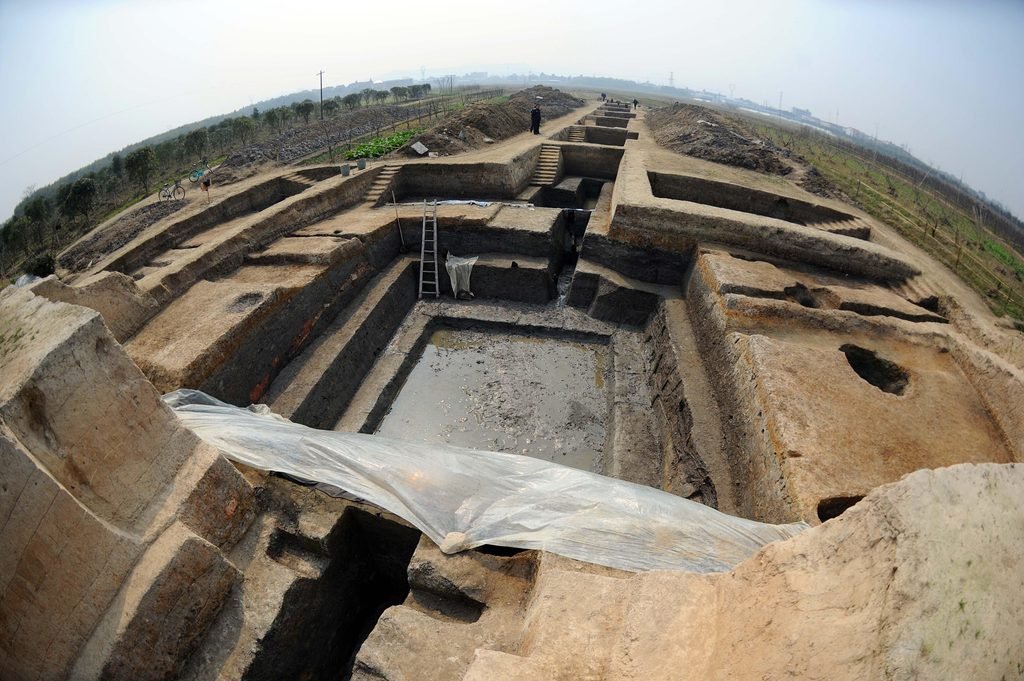
The Liangzhu Archaeological Site stands as a remarkable location that reveals to the world the legacy of an ancient Chinese civilization spanning nearly 5,000 years. Situated near the city of Hangzhou in China’s Zhejiang Province, this archaeological site provides significant evidence regarding the origins of Chinese civilization, urban development, agriculture, water management, and social organization.
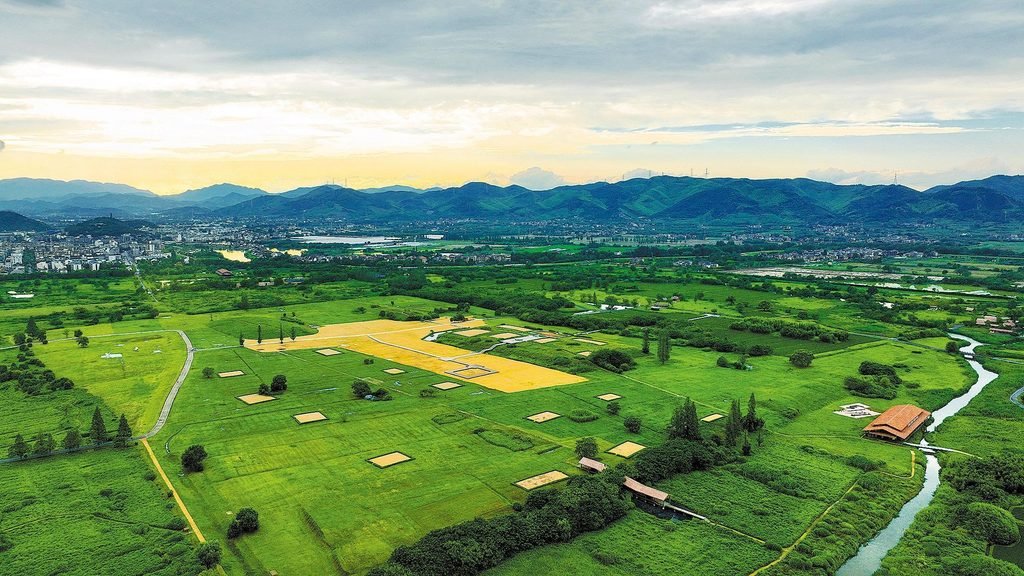
The Liangzhu culture belongs to the Neolithic period, dating roughly from 3300 to 2300 BCE. Therefore, it is accurate to describe Liangzhu not merely as a collection of ancient ruins, but as a living historical testament that illustrates how human society evolved toward an organized urban civilization. History Revealed Through the Ruins of an Ancient City
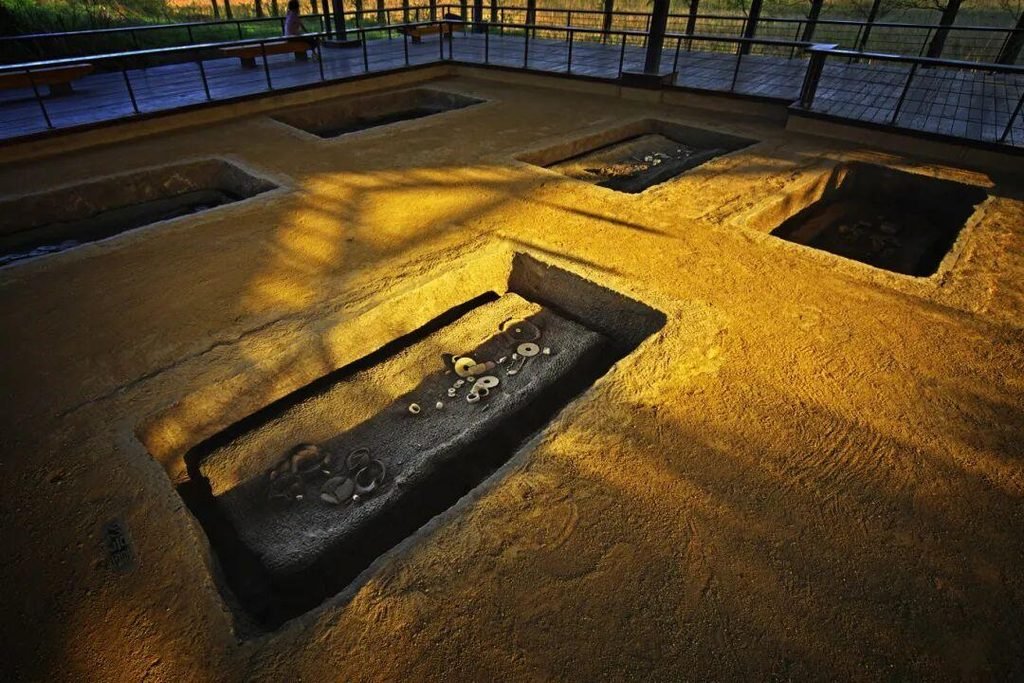
Among the ruins discovered at the Liangzhu archaeological site, the walls of the ancient city, palace complexes, ritual sites, burial grounds, and water management systems hold a place of particular significance. Archaeological evidence indicates that this city developed between 3300 BCE and 2300 BCE. It has been established that the city comprised distinct sections, including an inner city, an outer city, and a palace area.
In particular, the system of reservoirs, dams, and canals constructed here serves as excellent evidence of the technical knowledge possessed by the people of that era. Research has revealed that these systems were utilized for flood control, water storage, the provision of water for agricultural activities, and transportation. Jade Carvings and Ancient Religious Beliefs
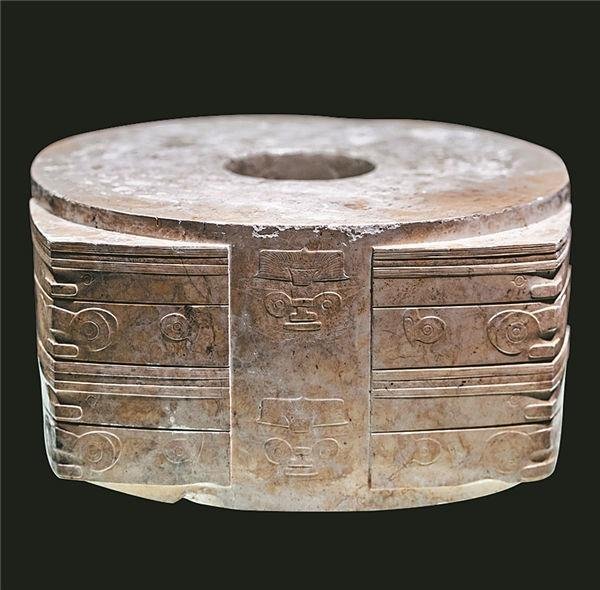
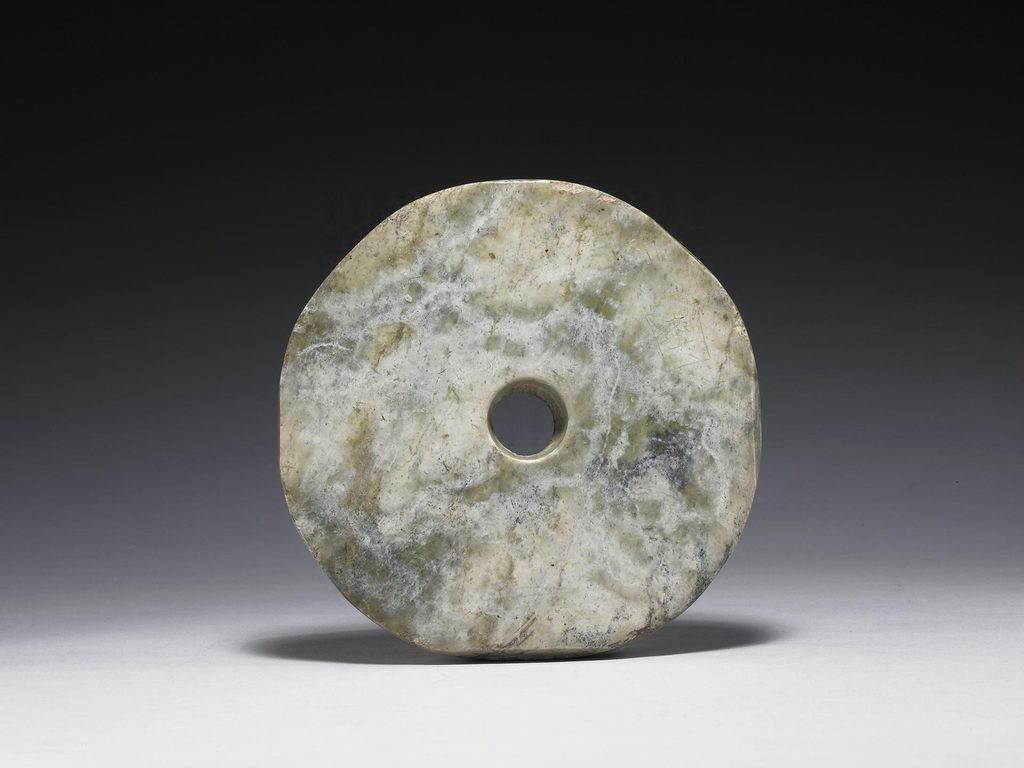
One of the most notable archaeological discoveries from the Liangzhu civilization consists of artifacts and carvings fashioned from jade. Among these, objects known as *Jade Cong* and *Jade Bi* are particularly significant. The intricate carvings, distinct shapes, and the techniques employed in their creation serve as evidence of the advanced artistic and technical expertise possessed by this society.
Archaeological evidence indicates that these items were utilized for religious and ritualistic purposes. Furthermore, my study of this archaeological site reveals that these objects also functioned as symbols representing power, social status, and the belief systems of the society.
Designation as a UNESCO World Heritage Site
A significant milestone occurred on July 6, 2019, when the Archaeological Site of Liangzhu was inscribed on the UNESCO World Heritage List, in recognition of its international importance.
This recognition was primarily driven by the exceptional evidence it provides regarding urban organization, an agricultural foundation, water management, social stratification, and religious beliefs as they existed 5,000 years ago.
This World Heritage site consists of four main components: the Yaoshan Archaeological Site, the area containing high dams at the valley entrance, the area with low dams on the plains, and the site of the ancient city.
The Liangzhu Forum – A New Platform for Dialogue Among World Civilizations
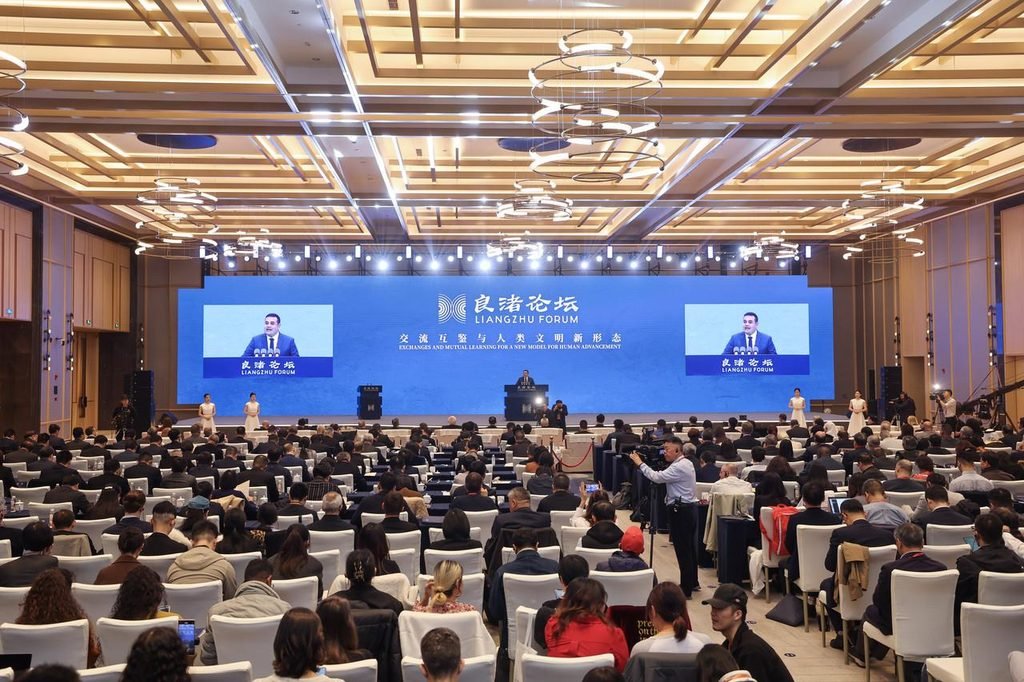
The archaeological heritage of Liangzhu has served as more than just a means to introduce China’s past to the world; it has also become a foundation for fostering international cultural dialogue. It is important to note that the Liangzhu Forum, established for this purpose, serves as an international platform aimed at promoting understanding, cooperation, and mutual learning among the world’s various civilizations.
The first Liangzhu Forum was held on December 3, 2023, in Hangzhou, China. Organized jointly by the Chinese Ministry of Culture and Tourism and the Zhejiang Provincial Government, the forum saw the participation of over 300 representatives from numerous countries.
It was held under the theme: “Implementing the Global Civilization Initiative and Promoting Exchanges and Mutual Learning Among Civilizations.”
The second Liangzhu Forum commenced on November 25, 2024, with representatives from more than 60 countries and regions in attendance. Discussions during the event covered topics such as archaeology, literature, music, and cultural heritage.
The third Liangzhu Forum was held in October 2025. Its discussions encompass the preservation of world cultural heritage, the integration of the values of ancient civilizations into modern society, and the promotion of international cultural cooperation.
Mutual Understanding Among Civilizations
The significance of the Liangzhu Forum extends beyond merely promoting the history or culture of a single nation; it serves to bring together archaeologists, historians, writers, artists, and scholars from the cultural sphere hailing from various countries onto a single platform.
In doing so, it focuses on safeguarding the heritage of the world’s diverse civilizations, exchanging insights from the past, and fostering respect for cultural diversity.
A Chinese government report states that, as of 2025, more than 1,300 invitees from 115 countries and regions have participated in the three forums held to date.
A Message from the Heritage of the Past to the Future
A key insight emerging from the Liangzhu archaeological site and the Liangzhu Forum is that the legacy of an ancient civilization serves as a valuable resource, offering knowledge to the world of the future. It is particularly noteworthy that the urban planning, water management, agricultural practices, and artistic creations of people who lived 5,000 years ago remain subjects of ongoing research today.
Furthermore, the Liangzhu Forum has provided an opportunity to foster connections between China’s ancient civilization and other civilizations across the globe. Accordingly, it is of great significance to recognize Liangzhu not merely as a site concealing numerous vestiges of ancient history, but as a World Heritage hub a place vital for studying the trajectory of human civilization, preserving cultural heritage, and strengthening international cooperation.
Part 11

Note by
Chandana Wijekoon
UNESCO – From the official photo collection of the Archaeological Site of Liangzhu


