
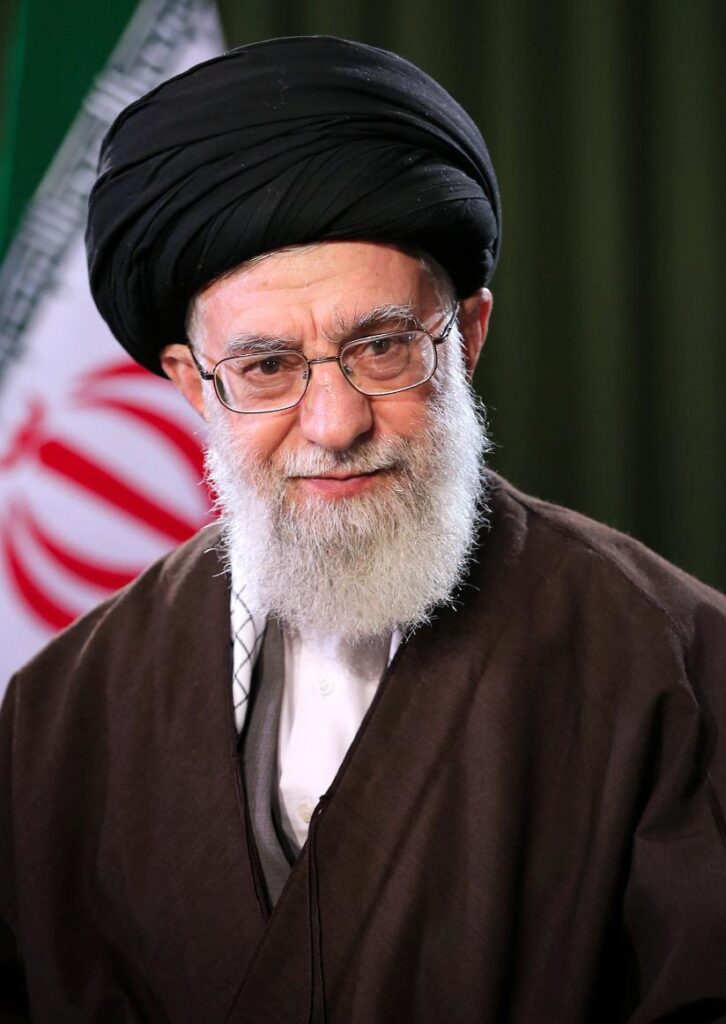
Throughout history, certain individuals have been remembered not merely for the positions they held, but for the values they embodied. Among such figures, Seyyed Ali Khamenei occupies a distinctive place. His life reflects a journey shaped by faith, simplicity, knowledge, spirituality, perseverance, and responsibility.
While opinions about him vary around the world, many people admire his commitment to moral values, education, and spiritual growth. Born in 1939 in the holy city of Mashhad, Iran, Seyyed Ali Khamenei grew up in a modest religious family. His father, Hojjat al-Islam Seyyed Javad Khamenei, was a respected scholar who instilled in his family the values of faith, humility, and moral discipline.
Although their material circumstances were limited, their home was rich in spiritual and ethical values. This environment played a significant role in shaping his character and worldview.
From an early age, Seyyed Ali Khamenei developed a deep passion for learning. He devoted himself to the study of the Holy Qur’an, Hadith, Arabic language, Islamic jurisprudence, history, and literature. He believed that knowledge was not merely the accumulation of information, but a force capable of purifying the human heart, elevating society, and bringing people closer to God. Throughout his life, he emphasized that science and religion complement rather than contradict one another.
Spirituality remained central to his life and teachings. He viewed religion not simply as a collection of rituals, but as a guiding force that shapes every aspect of human existence. He frequently stressed the importance of self-purification, prayer, reflection, and moral discipline. His supporters often point to his simple lifestyle, modest personal habits, and commitment to spiritual values as examples of his beliefs in practice.
Seyyed Ali Khamenei also developed a profound appreciation for literature and poetry. He admired classical Persian poets such as Hafez, Saadi, and Rumi and participated actively in literary gatherings. He regarded poetry and literature as powerful means of promoting spiritual and moral values. As a writer, translator, and intellectual, he produced numerous works, including An Outline of Islamic Thought in the Quran, A 250-Year-Old Person, and The Compassionate Family, which explore themes of faith, society, family, and Islamic thought.
Throughout his life, Seyyed Ali Khamenei faced numerous challenges and hardships. Before the Iranian Islamic Revolution, he was imprisoned several times due to his political activities. After the Revolution, he served in various governmental positions, including President of Iran, and later became the Supreme Leader in 1989. His supporters particularly value his emphasis on self-reliance, resistance to external pressures, scientific advancement, and preservation of cultural and religious identity.
Many of his speeches focused on young people, encouraging them to pursue knowledge, innovation, self-confidence, and moral excellence. He consistently emphasized that justice, compassion, service to humanity, and ethical conduct are essential foundations of a strong society.
The life of Seyyed Ali Khamenei offers lessons about simplicity, faith, perseverance, knowledge, and service. For many admirers around the world, his legacy extends beyond politics and reflects the example of a scholar, writer, teacher, and spiritual leader whose commitment to knowledge, morality, and service continues to inspire reflection and discussion across generations.

By – Ms. Fathima Shifani Zamaa
Cultural Expert
Iran Cultural Center
Embassy of the Islamic Republic of Iran
Sri Lanka


