

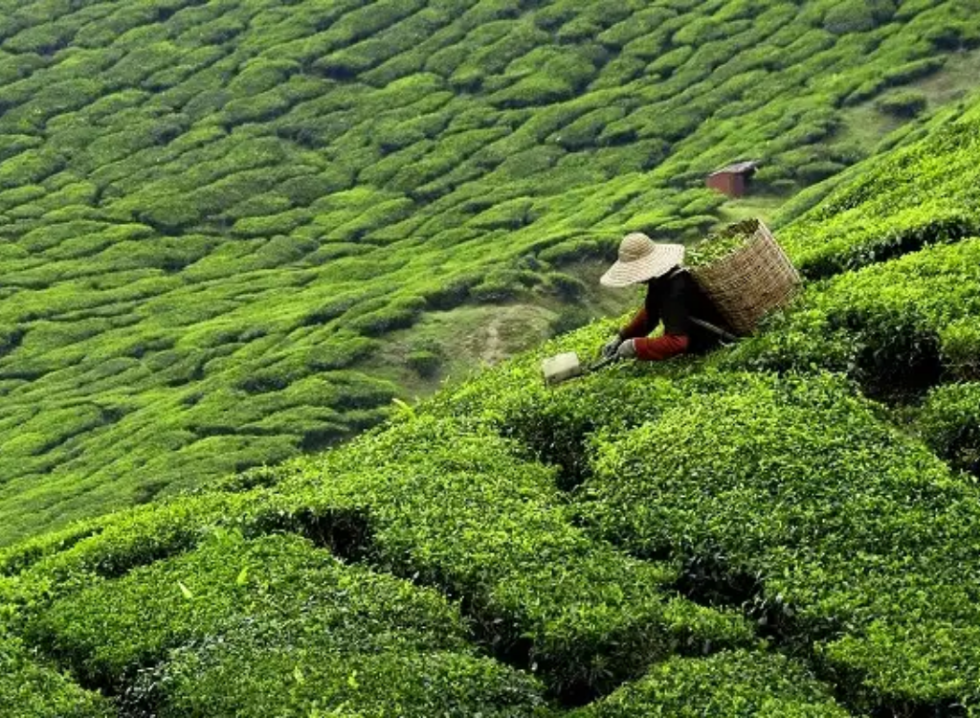
The world-renowned high-grown tea of Nuwara Eliya, often celebrated as the “champagne of Ceylon tea,” is facing a growing threat as hundreds of hectares of tea plantations are being uprooted and converted into lucrative vegetable farms.
The transformation is being driven by the search for higher short-term profits, with Regional Plantation Companies (RPCs) and private individuals increasingly abandoning tea cultivation in favour of crops such as potatoes, carrots and leeks. Industry observers warn that the trend could permanently damage one of Sri Lanka’s most valuable agricultural industries.
According to Farmers Alliance President Thrindu Rathnayake, nearly 400 hectares of tea estates in the Nuwara Eliya District have already been cleared for potato cultivation alone. He says the practice has accelerated over the past several years as estate management companies’ lease out so-called “marginal lands” to private farmers for periods ranging from five to ten years.
Many of these lands contain ageing tea bushes or lower-yielding fields, making them attractive for alternative agricultural ventures. However, critics argue that such decisions prioritise immediate financial returns over the long-term sustainability of Sri Lanka’s tea sector.
Tea cultivation generates an average annual profit of around Rs. 300,000 per hectare, but requires continuous investment, skilled labour and regular maintenance. Rising fertiliser prices and persistent labour shortages have further squeezed profitability. By contrast, vegetable cultivation can reportedly generate more than Rs. 2 million per hectare annually, creating a powerful financial incentive for estate owners.
Environmental experts are equally alarmed by the rapid conversion of tea land. The removal of mature tea bushes from steep mountain slopes leaves the soil exposed, increasing erosion and the risk of landslides. Nuwara Eliya already records the country’s highest rates of soil erosion, with potato cultivation on steep terrain causing losses of up to 15 tonnes of topsoil per hectare every year.
The consequences extend beyond individual farms. Soil washed into rivers eventually reaches major reservoirs, including the Upper Kotmale Reservoir, reducing storage capacity and potentially affecting hydroelectric power generation and irrigation systems supplied through the Mahaweli River Basin.
Heavy dependence on chemical fertilisers for vegetable farming has also raised concerns about water pollution, with estate communities facing deteriorating drinking water quality and declining soil fertility for future tea cultivation.
Mr. Rathnayake also alleges that politically connected groups and land speculators have exploited loopholes to acquire or sub-lease estate lands for non-tea cultivation, despite lease agreements intended to preserve plantation agriculture. At the same time, several RPCs have come under criticism for failing to meet mandatory tea replanting targets, instead opting to maximise short-term returns.
With more than 50,000 hectares of tea still under cultivation in Nuwara Eliya, the district remains the heart of Sri Lanka’s premium high-grown tea industry. Yet industry leaders warn that unless stronger safeguards are introduced, continued land conversion could undermine the country’s ambition of earning US$2.5 billion annually from tea exports by 2030.
Source – Lanka News


