
- Says bilateral relations should be developed through independent decision-making and respect for national sovereignty
- Assures China’s willingness to promote a model of providing both fish and fishing skills
- Emphasises every party must independently explore a path suited to its own national conditions
- Reveals Communist Party of China’s action against corruption at all levels, including senior and lower-level officials, while pursuing corrupt fugitives overseas
China and Sri Lanka are looking to deepen political exchanges, strengthen cooperation in governance and expand development partnerships as the two countries prepare to mark the 70th anniversary of diplomatic relations and the 75th anniversary of the signing of the Rubber-Rice Pact in 2027.
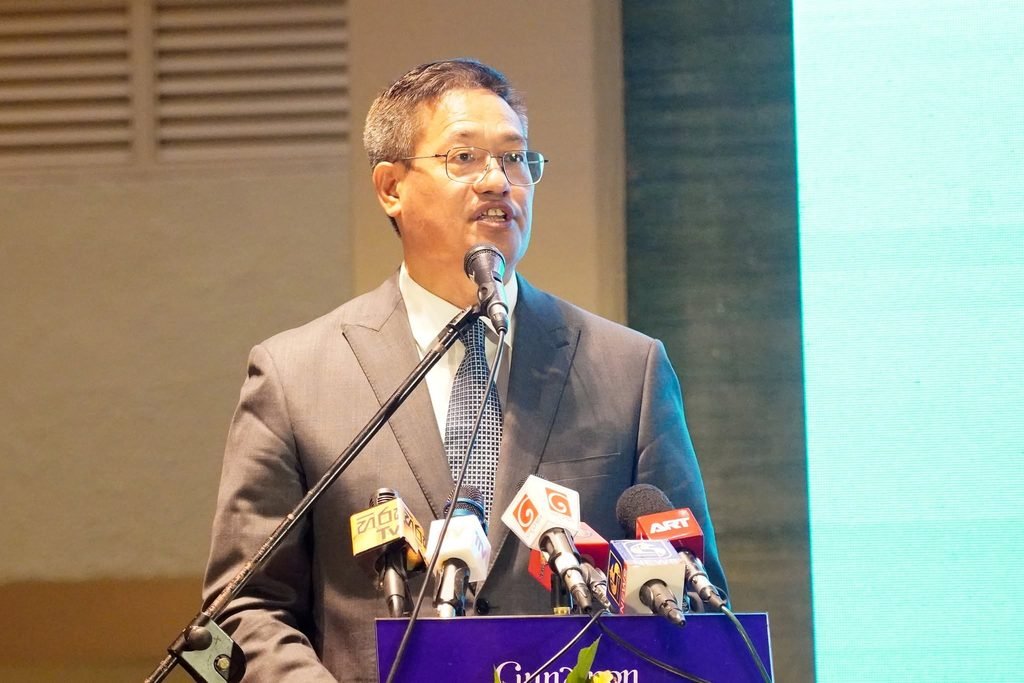
Chinese Ambassador to Sri Lanka Wei Huaxiang has said China is ready to strengthen exchanges and mutual learning with political parties in Sri Lanka on party governance and state governance, while continuing to promote the principles of independence, self-reliance, unity and mutual assistance embodied in the historic pact.

Speaking at a discussion on’ Xi Jinping Thought on Party Building: Are they important to other political parties’ he explained China’s approach to bilateral relations and said the two countries should draw strength from the spirit of the Rubber-Rice Pact and uphold mutual respect, fairness and justice while working to eliminate external interference.
“Next year, China and Sri Lanka will celebrate the 70th anniversary of the establishment of diplomatic relations and the 75th anniversary of the signing of the Rubber-Rice Pact,” he said. “At this important juncture, we stand ready to strengthen exchanges and mutual learning with political parties in Sri Lanka on Party governance and state governance.”
Ambassador Wei highlighted the importance of strengthening exchanges between political parties and sharing experiences in governance as part of the broader bilateral relationship.
The proposed cooperation would allow the two countries to exchange views on party governance, state administration and development approaches, while building on their existing political engagement.
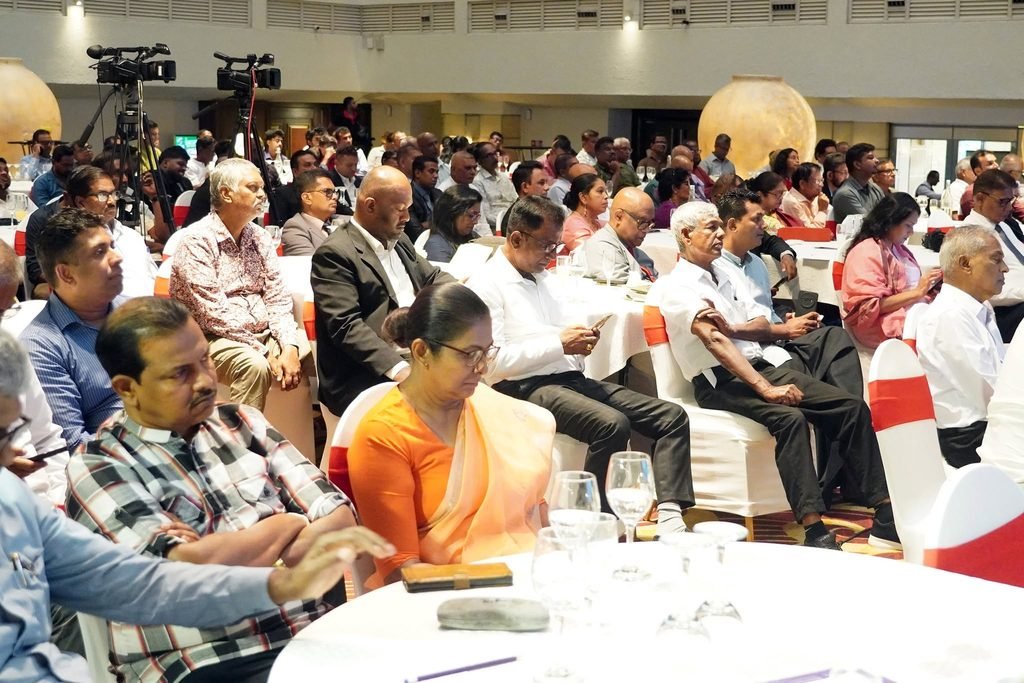
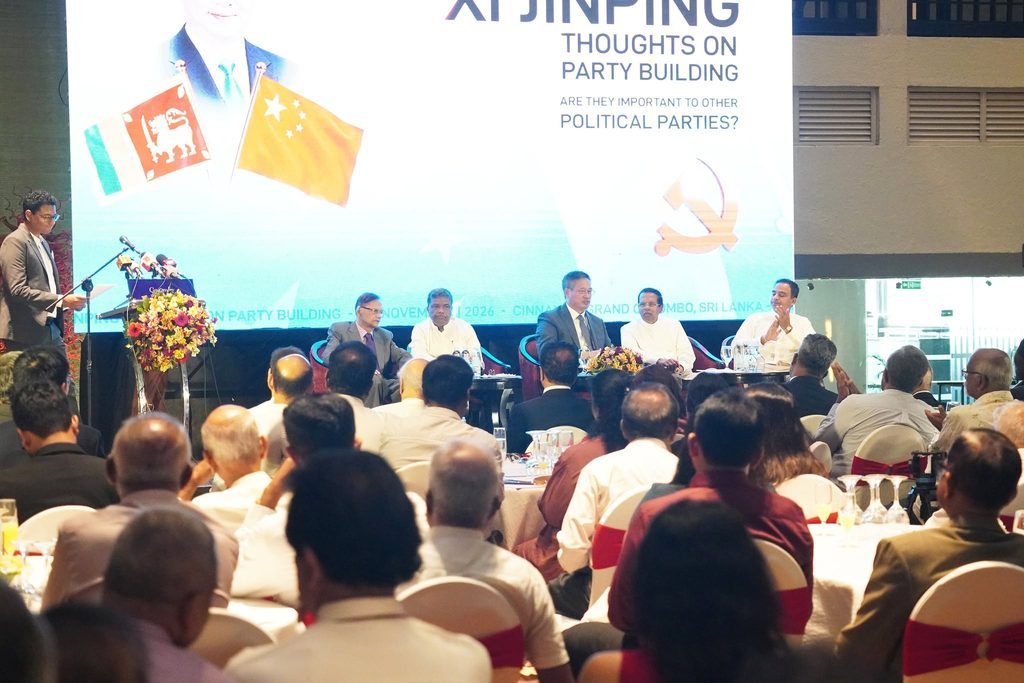
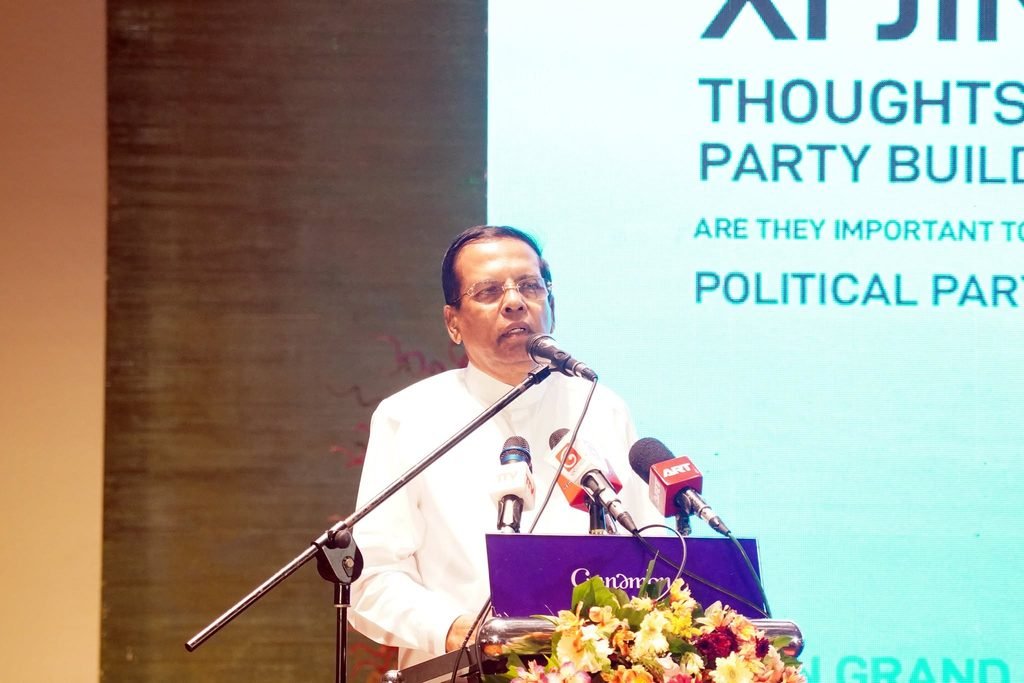
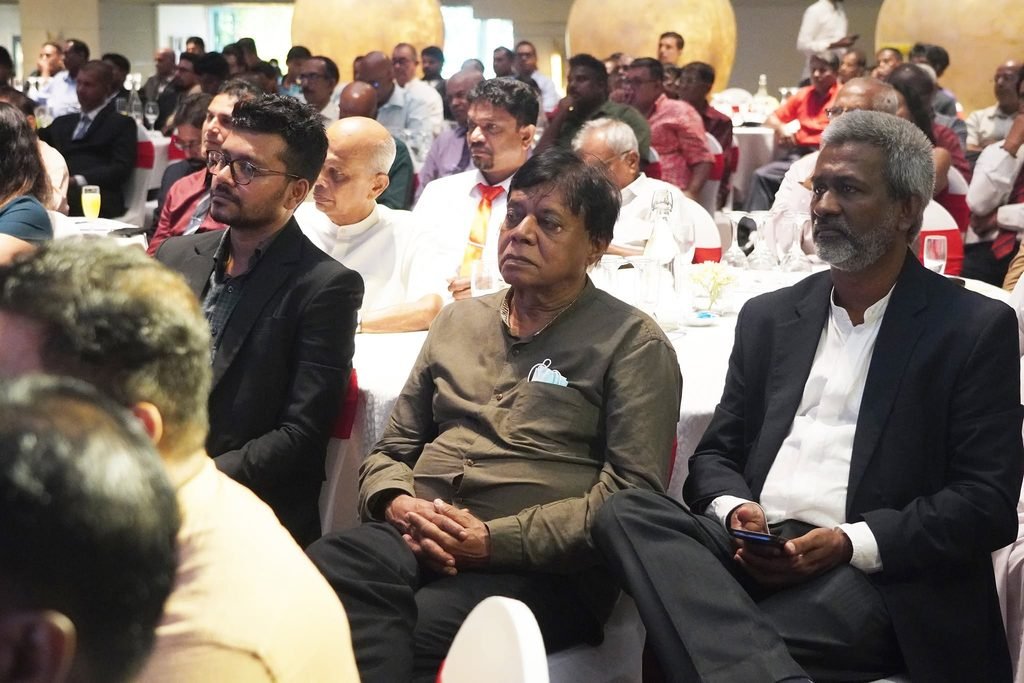
The political party leaders, including the former President Maithripala Sirisena participated at the dialogue organised by the Communist Party of Sri Lanka, held in Colombo.
The Chinese Ambassador said the two countries should continue to uphold the principles of mutual respect, fairness and justice.
He also stressed the importance of eliminating external interference, reflecting China’s position that bilateral relations should be developed through independent decision-making and respect for national sovereignty.
The emphasis on governance exchanges follows the high-level engagements between the two countries in 2025.
During President Anura Kumara Dissanayake’s state visit to China in January 2025, the two sides agreed to strengthen exchanges between governments, legislative bodies and political parties, consolidate political mutual trust and share development and governance experiences.
The joint statement issued during the visit also reaffirmed the commitment to carry forward the spirit of independence, self-reliance, solidarity and mutual assistance enshrined in the Rubber-Rice Pact.
China reiterated its support for Sri Lanka in safeguarding national independence, sovereignty and territorial integrity, while respecting the country’s independent choice of a development path suited to its national conditions.
The two countries also agreed to deepen their strategic cooperative partnership based on sincere mutual assistance and lasting friendship.
Ambassador Wei highlighted the need to move beyond immediate assistance towards strengthening Sri Lanka’s capacity for sustainable development.
“We will also promote a model of providing both fish and fishing skills. This means not only providing immediate assistance, but also supporting Sri Lanka in strengthening its capacity for self-reliance and sustainable development,” he said.
Wei said China and Sri Lanka would work together to build a community with a shared future and bring greater benefits to the people of both countries.
He has highlighted four key lessons from the Communist Party of China’s (CPC) approach to party governance, stressing the importance of national independence in political development, self-reform, grassroots engagement and equal relations among political parties.
Corruption, a common challenge
Speaking on the outcomes of the Fifth Plenary Session of the 20th CPC Central Committee, held at the end of October, Ambassador Wei said the session adopted a resolution on sustaining full and rigorous Party self-governance, setting out strategic tasks and measures to strengthen the CPC’s long-term governance.
The resolution, guided by Xi Jinping Thought on Party Building, addresses the question of what kind of long-term governing Marxist party we should build and how we should build it, he said.
The first lesson, Ambassador Wei noted, is that there is no universal model for party building, and political parties must independently explore approaches suited to their national conditions.
“There is no one-size-fits-all model for Party building. Every party must independently explore a path suited to its own national conditions,” he said.
“For a long time, some countries have believed that the Western model of political parties could be applied everywhere. But copying foreign models without considering local conditions often does not work. It can even lead to political instability and a lack of progress in improving people’s lives,” he cautioned.
The second lesson is the importance of self-reform in combating corruption and maintaining public trust. Referring to the CPC’s approach, he said the Party had taken action against corruption at all levels, including senior and lower-level officials, while pursuing corrupt fugitives overseas.
He recalled Chairman Mao Zedong’s response to the historical challenge of preventing the rise and fall of governing dynasties: Let the people exercise oversight over the government.
“In the new era, President Xi Jinping had put forward self-reform as a further answer to this challenge,” he said adding that corruption is a common challenge for political parties around the world and some parties gradually become detached from the people and lose public trust because they are influenced by vested interest groups or lack effective oversight.
“The CPC has consistently exercised full and rigorous Party self-governance in the new era. It has taken strong action against corruption at all levels, targeting both senior officials and lower-level officials, while also pursuing corrupt fugitives overseas,” he noted.
According to Wei, the third lesson is that political parties must strengthen their grassroots organisations and maintain close ties with the people.
“The support of the people is the greatest source of political strength,” Ambassador Wei said, noting that the CPC had established more than five million grassroots Party organisations across communities, villages and enterprises.
He said these organisations played an active role in poverty alleviation, disaster prevention and relief, and grassroots governance. He also referred to Sri Lankan political party representatives who had visited China and witnessed how grassroots organisations worked with communities to improve people’s lives.
The fourth lesson calls for party-to-party relations based on equality, inclusiveness and mutual learning, rather than bloc confrontation.
“Political parties around the world, regardless of their size, strength or ideology, should uphold independence and autonomy, engage in exchanges on an equal footing, and learn from one another,” he said.
Ambassador Wei noted that the CPC maintained regular contacts with more than 700 political parties and political organisations in over 170 countries, providing opportunities to exchange experiences in party governance, state governance and national development.
He said the CPC’s approach to party building emphasised remaining true to its founding mission, pursuing continuous self-renewal and following a path suited to China’s national conditions.
Implementing party internal democracy
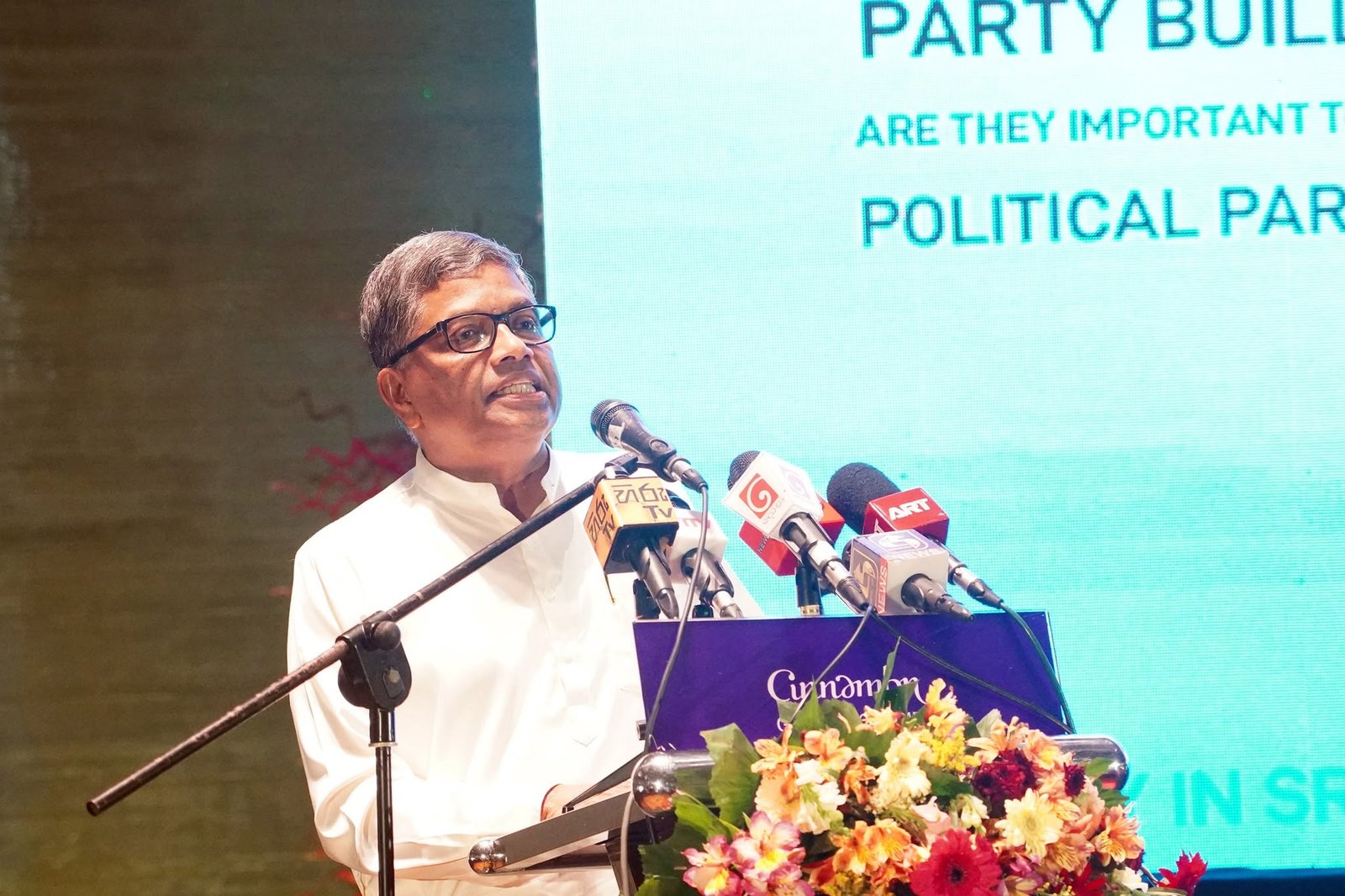
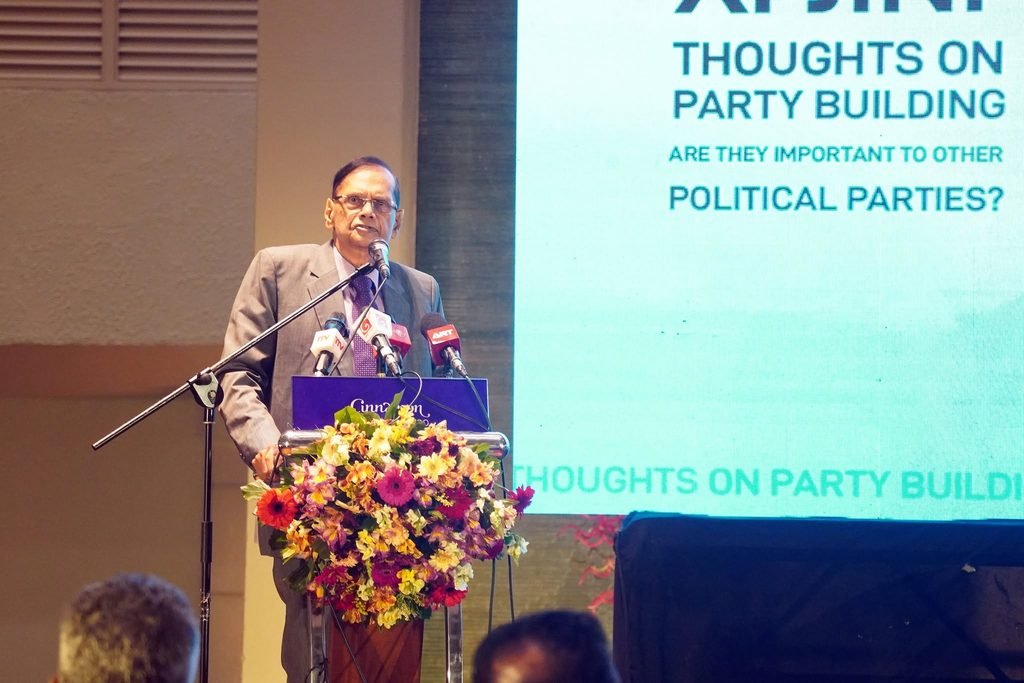
General Secretary of the Communist Party of Sri Lanka Dr. G. Weerasinghe, briefing the 105-year history of building of CPC and the impact of Xi Jinping thought on the development and building of Marxist political parties, has also highlighted the relevance of China’s development experience and the importance of cooperation between the two countries.
He said that guided by Marxist-Leninist ideology and under the leadership of Mao Zedong and other prominent figures, the CPC built its organization, achieved revolutionary victory, and is currently engaged in the task of building socialism. It has grown into the world’s largest political party, with a membership exceeding 100 million.
“Within this organizational framework, the party implements internal democracy. In such a Marxist-Leninist party of a new type, there exists a mechanism, operating through criticism and self-criticism, to rectify any errors that may occur. Both Lenin and Mao Zedong have discussed party discipline extensively,” he said explaining the critical importance of internal discipline in the process of building a party while citing the CPC as a party of a new type, which is maintaining discipline and utilizing internal mechanisms for criticism and self-criticism.
Dr. Weerasinghe said that the CPC serves as another significant model that other communist parties around the world should not overlook and the CPC’s unwavering commitment to the struggle for socialism and to the people stands as yet another important example.
He said that CPC’s boundless dedication to the people and their liberation is the primary reason why Communists were able to win the support of the masses.
“For a Communist, the importance of the people can be likened to the importance of water to a fish,” he said adding that a Communist party in power must consistently achieve successes, deliver tangible results to its people and it applies equally to a party striving to attain power.
Dr. Weerasinghe, commending the deep, traditional, and fraternal friendship with the CPC, said the Communist Party of Sri Lanka extends its full support to the process of integrating Taiwan with China.

By Shanika Sriyananda


