
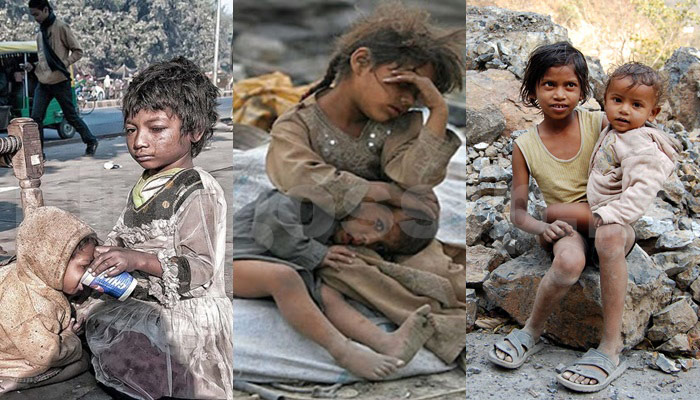
The relationship between poverty and climate vulnerability is undeniable. With worsening climate disruptions across Asia, the impacts are becoming more severe. The goals of Sustainable Development Goal (SDG) 1, No Poverty, and SDG 13, Climate Action, are closely linked. India and Taiwan, two different economies, but similar in ambition, have strong reasons to work together. Both face the challenge of protecting people from inequality and a changing climate while guiding growth toward sustainability.
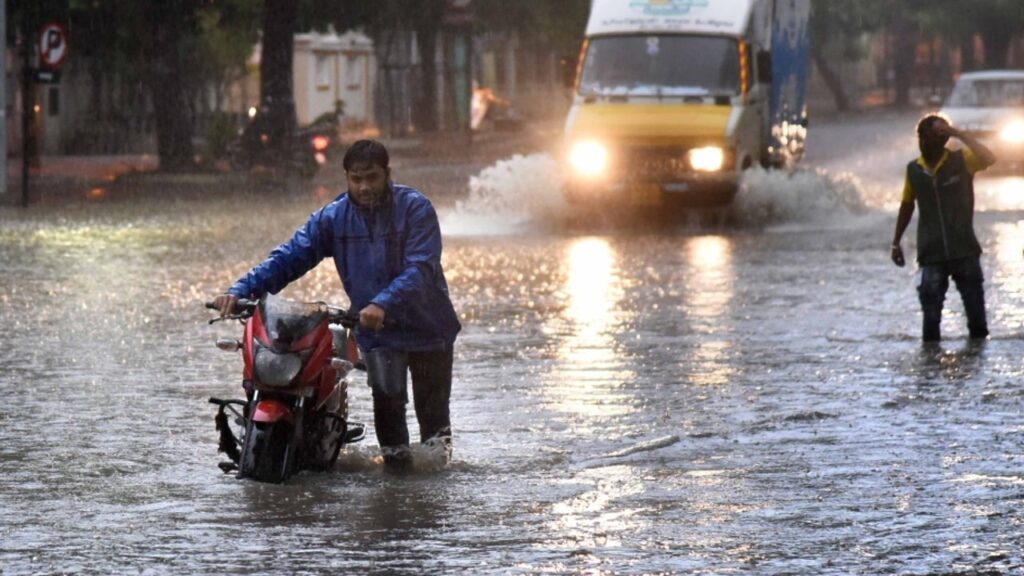
India’s challenge is the scale of its development needs. Although it has lifted more than 415 million people out of multidimensional poverty between 2005-2006 and 2019-2021, climate stress threatens to reverse this progress. Nearly half the population relies on climate-sensitive sectors, such as agriculture and fisheries. Unpredictable monsoons, droughts and heat waves lead to food insecurity and lost incomes. India’s climate policy increasingly connects adaptation with livelihoods. The Mahatma Gandhi National Rural Employment Guarantee Act funds water conservation, afforestation and soil restoration, creating rural jobs and improving resilience. The Pradhan Mantri Kisan Urja Suraksha Yojana promotes solar pumps for small farmers, enhancing access to clean energy and boosting productivity.
Taiwan, while more urbanized and wealthier, faces similar challenges. Rising sea temperatures and stronger typhoons threaten coastal jobs, while rising energy costs risk increasing inequality. Taiwan’s 2050 Net Zero Pathway includes principles for a just transition, combining decarbonization with social inclusion. The National Climate Change Adaptation Action Plan (2023–2026) incorporates social protection and local resilience into its adaptation efforts. The NT$10 billion (US$318 million) Green Growth Fund invests in renewable industries and workforce training, ensuring that the green transition creates new jobs rather than replacing old ones.
By combining India’s scale with Taiwan’s precision, the two can drive climate-inclusive growth. Taiwan’s expertise in smart grids, recycling and circular design can support India’s electrification and waste management efforts. Partnerships between Taiwanese cleantech companies and Indian energy cooperatives could reduce costs and increase access for low-income households. India’s “Solar Village” projects could benefit from Taiwan’s solar and storage technologies, ensuring reliable off-grid power in remote areas.
Agriculture presents another opportunity. Taiwan’s research centers have developed heat-resistant crop varieties and precision irrigation systems for small farmers. Collaboration with India’s agricultural research institutions could improve water efficiency and yields, stabilizing incomes in regions prone to drought. This cooperation supports both SDG 1 and SDG 13 by securing livelihoods and reducing environmental pressure.
Social innovation also plays a key role in building climate resilience. In India, the Self-Employed Women’s Association has created micro-insurance programs that compensate informal workers for income lost due to climate events. Last year, 50,000 women in Gujarat and Rajasthan states received payouts related to heat through a climate-indexed program. Taiwan’s fintech industry could help expand such systems by offering low-cost, data-driven insurance for rural areas in India. Additionally, Taiwan’s community-based disaster readiness models could improve India’s cyclone warning system, which already protects more than 120 million coastal residents.
At the policy level, both countries can work to connect climate finance with poverty reduction. Taiwan’s green bond market, valued at more than US$19 billion, offers insights for India as it seeks to issue “social-climate bonds” for adaptation and rural entrepreneurship. Putting private money into small-scale climate projects would help the poorest people, who are also the most at risk.
However, cooperation will require overcoming institutional challenges. Taiwan’s exclusion from UN climate initiatives limits its participation, and India’s multilayered bureaucracy and federal structure slow efforts. Yet collaboration through research networks, think tanks and development finance can help navigate these issues. Joint involvement in Indo-Pacific climate forums and academic exchanges could foster a shared ecosystem of trust and innovation.
For India and Taiwan, taking climate action and tackling poverty are essential economic goals. Climate change affects the poor first, but climate action can help them most. When climate and poverty efforts support each other, they create resilience that endures beyond electoral cycles.
India and Taiwan should pursue a cooperative roadmap that connects clean energy for the poor, climate-smart agriculture, inclusive insurance and social finance. This partnership would show that environmental responsibility and human dignity do not compete, but rather support each other. By aligning their skills and shared values, India and Taiwan can demonstrate that the path to net zero is also a way out of poverty, providing the Indo-Pacific region with a practical model for equitable resilience in a warming world.
BY- Sutandra Singha (Taipei Times)
Sutandra Singha is an independent researcher with a doctorate in international studies from Jawaharlal Nehru University in New Delhi, specializing in climate change.


