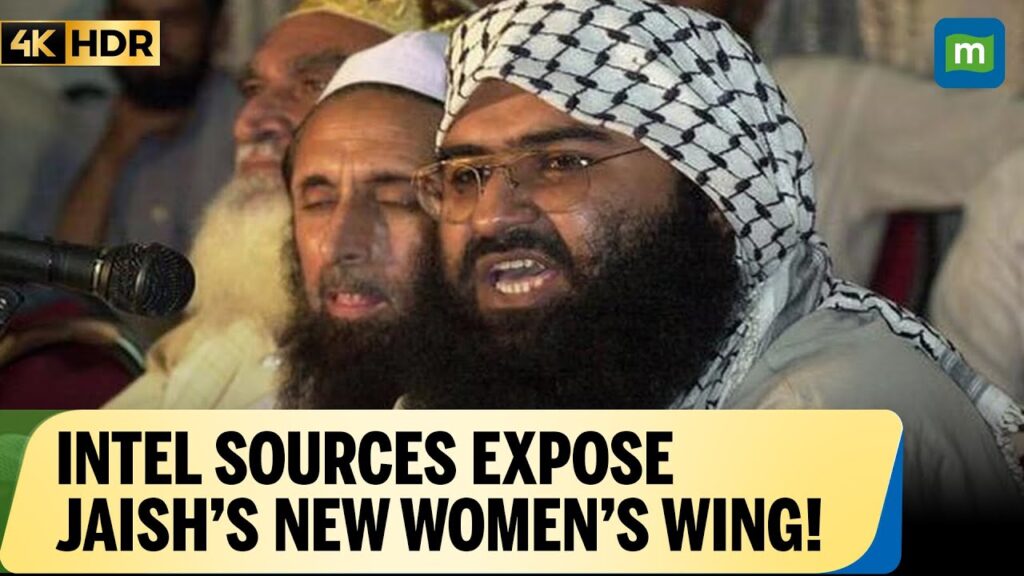
In a significant development for South Asia’s security landscape, the banned terrorist organization Jaish-e-Mohammed (JeM) has established its first women’s division, Jamaat-ul-Mominaat. This strategic move comes as the group seeks to rebuild following substantial losses during Operation Sindoor, demonstrating how proscribed militant organizations continue to operate freely within Pakistan despite international condemnation.
The official announcement came from JeM leader Maulana Masood Azhar, a UN-designated terrorist, with recruitment commencing on October 8, 2025 at Markaz Usman-o-Ali in Bahawalpur. The new wing specifically targets wives of JeM commanders and economically disadvantaged women attending the group’s educational centers across multiple Pakistani cities. Leadership falls to Sadiya Azhar, sister of the JeM chief, whose husband was killed in the May 7 strikes of Operation Sindoor.
This development aligns JeM with global terrorist networks like ISIS, Boko Haram, and Hamas that have previously integrated women into both support and combat roles. Intelligence sources indicate the group’s unprecedented incorporation of female members represents a direct response to operational setbacks and the need to diversify its human resources. The move potentially opens the door for women to participate in logistics, recruitment, and even suicide missions—a tactical shift previously unseen in South Asian jihadist movements.
Despite being officially banned by the United Nations and Western powers, JeM maintains remarkable operational freedom within Pakistan. The group has historically circumvented restrictions by rebranding under different names or operating as non-governmental organizations while preserving its core infrastructure and leadership. Pakistan’s security apparatus has consistently failed to dismantle the organization, with arrested leaders often released and groups permitted to reconstitute under new identities.
The international response to JeM’s activities has been characterized by periodic condemnation without substantive consequences. Western strategic priorities regarding Afghanistan, Iran, and broader geopolitical considerations have frequently relegated concerns about Pakistan-sponsored terrorism to secondary importance. This leniency has enabled persistent connections between Pakistan’s Inter-Services Intelligence (ISI) and militant groups like JeM, blurring distinctions between state and non-state actors.
Jamaat-ul-Mominaat’s establishment represents a watershed moment in the normalization of terrorism within Pakistani society. By targeting vulnerable women and commanders’ wives, JeM seeks to embed extremist ideology within family structures, ensuring intergenerational indoctrination. This development not only increases the risk of women being utilized for logistics, intelligence, and direct violence but also reinforces regressive gender norms under the guise of community support and spiritual renewal.
The creation of this women’s wing signifies a grave escalation in regional security threats, demonstrating banned groups’ adaptability while international counterterrorism efforts remain inadequate. As JeM deepens its roots within Pakistan’s social fabric through female recruitment, future efforts to combat extremism become increasingly complex, demanding urgent and coordinated international response to prevent further entrenchment of terrorist ideologies.
Maldives Insight